
If you are wondering why your mouth is so dry, the short answer is that your body may not be making enough saliva, or moisture is being lost faster than normal. Dry mouth can happen from dehydration, mouth breathing, stress, alcohol, or caffeine, but ongoing symptoms are often linked to medications, health conditions, or reduced salivary gland function and should be checked.
At Carolina Complete Dentistry in Charlotte, NC, we understand that dry mouth can affect more than your comfort. Our general dentistry services can help monitor your oral health, identify signs of damage related to dry mouth, and provide preventive care to help protect your teeth and gums.
Dry mouth, also called xerostomia, is a symptom, not a diagnosis. It may feel like a sticky mouth, thick saliva, frequent thirst, cracked lips, bad breath, or trouble speaking and swallowing dry foods.
Common causes include:
Do not stop or change medication on your own. A dentist or physician can review when the dryness started and whether it matches a medication change, illness, or new daily habit.
Many people notice dry mouth most at night because saliva flow naturally drops during sleep. It often gets worse if you sleep with your mouth open because of congestion, snoring, or sleep apnea.
Occasional morning dryness may not mean anything serious. But repeated dry mouth at night, loud snoring, gasping, morning headaches, or daytime sleepiness can point to sleep-disordered breathing and deserve medical evaluation.
Saliva helps rinse away food, buffer acids, control bacteria and yeast, and protect enamel. When saliva stays low, the risk of cavities, gum irritation, oral infections, and bad breath goes up.
Decay from dry mouth often shows up near the gumline, between teeth, or around the edges of fillings and crowns and bridges. Dry tissues can also make dentures rub, feel loose, or lose suction.
Spicy, salty, acidic, or rough foods may sting more when your mouth is dry. A dental exam can check your tissues, saliva flow, existing dental work, and signs of yeast infection or early decay.
The best treatment depends on the cause. Some people need simple habit changes, while others need long-term protection for their teeth and treatment of an underlying medical or airway issue.
|
Option |
Best Suited For |
Likely Duration or Outcome |
|---|---|---|
|
Water and habit changes |
Mild or occasional dryness |
Short-term relief while triggers are controlled |
|
Sugar-free gum or lozenges |
People who still make some saliva |
Temporary stimulation during use |
|
Saliva substitutes, gels, or sprays |
Persistent dryness or nighttime symptoms |
Temporary moisture and repeated use |
|
Fluoride prevention |
Higher cavity risk |
Ongoing protection with regular use and monitoring |
|
Cause-specific care |
Medication, airway, or medical causes |
Improvement depends on the underlying cause |
Sip water regularly and keep some nearby at night if needed. Avoid sugary candy and frequent sweet or acidic drinks, which can raise cavity risk when saliva is low.
Sugar-free gum or lozenges with xylitol may help stimulate saliva if your glands still work. They are not right for everyone, especially people with some swallowing problems or jaw discomfort.
Alcohol-containing mouthwash, tobacco, and excess caffeine can make dryness worse. A humidifier may help at night, and saliva-replacement products often last longer than water alone.
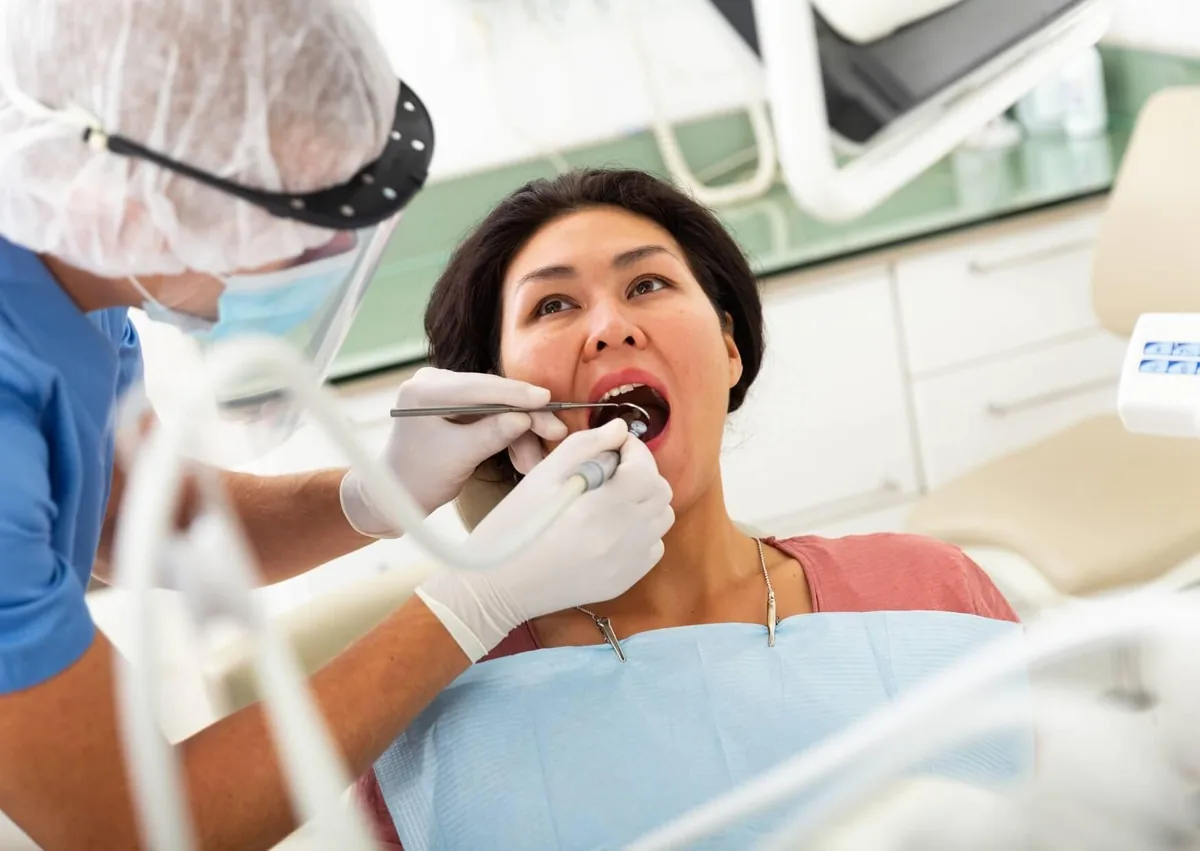
If you keep asking, why is my mouth so dry all the time, it is time to look for a cause. Ongoing dryness should be evaluated if it lasts more than two weeks, keeps coming back, gets worse, or affects eating, speaking, sleeping, or denture comfort.
You should also seek evaluation if you notice new cavities, mouth sores, a burning feeling, white patches, swollen salivary glands, or trouble swallowing. These signs can point to infection, tissue irritation, or a medical condition that needs attention.
Get urgent care for trouble breathing, inability to swallow liquids, severe dehydration, or rapidly increasing facial or neck swelling. If dry mouth leads to severe pain, infection, or broken dental work, seek emergency dentistry promptly.
Temporary dry mouth may improve within hours or days once dehydration or a short-term trigger is corrected. If the cause is medication-related or chronic, treatment often focuses on symptom control, cavity prevention, and managing the underlying issue.
Relief products work only while they are in use, so they are not a permanent fix. Long-term results depend on how much salivary function remains, what is causing the dryness, and how well the teeth are protected from decay.
If dry mouth has already caused major tooth damage, more involved care may be needed. In those cases, complex restorative dentistry can help rebuild comfort, function, and stability.
A visit to the dentist is a practical first step for persistent or unexplained dry mouth. Early evaluation can catch damage before it becomes painful and help coordinate care with a physician, sleep specialist, or other provider when needed.
Carolina Complete Dentistry in Charlotte, NC offers general dentistry services to help evaluate your oral health, identify potential problems early, and keep your teeth and gums protected. Contact us today by calling (704) 547-8555 to schedule an appointment and take the next step toward a healthier, more comfortable smile.
Yes. Dehydration can reduce saliva and may also cause dark urine, headache, dizziness, or fatigue.
If your mouth still feels dry even when you are drinking enough fluids, you should get it checked.
A dentist can often identify likely triggers and spot the oral effects of dry mouth. In some cases, medical testing or a medication review is needed to confirm the cause.
Water helps if dehydration is the problem and can give temporary comfort either way. But it usually does not restore normal saliva if the cause is medication use, illness, mouth breathing, or salivary gland damage.
It can be. Dry mouth may happen with diabetes, especially when blood sugar is high, but it also has many other causes.
If you also have increased thirst, frequent urination, blurred vision, or unexplained weight change, speak with a medical professional promptly.