Could a dental implant replace your missing tooth? Dental implant candidacy depends on your gum health, available jawbone, medical history, and ability to care for the replacement tooth. Bone loss or a health condition does not automatically rule implants out, but you may need treatment or medical coordination first.
If you are unsure whether a missing tooth can be replaced with an implant, exploring dental implant options can help you understand the decision. Carolina Complete Dentistry in Charlotte, NC, can assess your needs and explain what preparation or alternatives may be appropriate.
Key Takeaway: Your eligibility depends on an examination and imaging, not age or a health condition alone. Ask whether you can proceed now, need preparation first, or would benefit more from another tooth-replacement option.
Table of Contents
A dental implant is a post placed in the jawbone to support a crown, bridge, or denture. The surrounding bone must heal around the implant, and the gums and replacement tooth need ongoing care.
Your dentist considers several factors together:
Age alone does not determine eligibility in adults. For younger patients, implant placement generally waits until jaw growth is complete.
An evaluation considers whether an implant can be placed safely and whether it can support a functional replacement that you can keep clean. The process generally includes these steps:
Bring an up-to-date medication list and relevant dental records or recent images you can obtain. The treating office can tell you whether existing images are adequate or new imaging is necessary.
Pro Tip: Ask 3 questions at the consultation: “What could limit my eligibility?”, “What treatment would I need first?”, and “Who will coordinate the surgical and restorative stages?”
Active gum disease usually needs treatment and reassessment before implant placement. Better home care and professional gum disease treatment can help establish a healthier foundation, although a history of periodontitis still matters for long-term risk and maintenance.
Jawbone can shrink after tooth loss, and infection or trauma can also reduce available bone. A bone graft may improve the site, while a sinus lift may be considered for some upper back-tooth locations.
These procedures add surgery, healing stages, and cost, and they do not guarantee that an implant will become suitable. Depending on the site, grafting may occur before implant placement or during the same procedure.
If a tooth is still present, ask about replacement planning before extraction when possible. Immediate implant placement is not always appropriate, and preserving bone may be part of the plan.
Well-controlled diabetes may be compatible with implant treatment, while poorly controlled diabetes can raise concerns about healing and infection. Immune suppression, unstable medical conditions, and previous radiation to the jaw may also require additional assessment or specialist input.
Some medicines used for osteoporosis or cancer, including bisphosphonates and denosumab, are associated with jawbone healing complications called medication-related osteonecrosis of the jaw. This condition involves damaged jawbone that does not heal normally and requires a different assessment from routine implant healing.
Risk depends on the medicine, reason for treatment, dose, route of administration, treatment duration, and medical history. Taking one of these medicines does not automatically make you ineligible, but your dentist needs to review your exposure before planning surgery.
Blood thinners also affect surgical planning, but they do not necessarily prevent implant treatment. Your dentist may coordinate with your prescribing clinician to determine appropriate precautions.
Watch Out: Do not stop or change prescription medication to prepare for an implant on your own. Give the dental team your complete medication history so any changes can be coordinated safely with the prescriber.
An implant is not the only way to replace a missing tooth. The choice depends on nearby teeth, the number of missing teeth, surgical risk, budget, and your preferences. Comparing dentures vs implants can help you weigh two of these options.
|
Option |
When It May Fit |
Main Trade-Off |
|---|---|---|
|
Implant-supported replacement |
Suitable bone and health, or willingness to complete preparatory care |
Requires surgery, healing, and ongoing maintenance |
|
Tooth-supported bridge |
Neighboring teeth can support a fixed replacement |
Usually requires reshaping supporting teeth |
|
Removable partial or complete denture |
Several or all teeth need replacement, or surgery is not preferred |
Must be removed for cleaning and may need fit adjustments |
If an implant is not appropriate now, ask whether the limitation is temporary or likely to remain. A temporary replacement may help with appearance or function during treatment, but it must be designed to avoid interfering with healing.
Treatment may involve separate stages for extraction, gum treatment, grafting, implant placement, healing, and the final replacement tooth. Each stage affects implant treatment timing. Same-day placement or a temporary tooth is possible in selected cases, but neither means healing is complete or normal chewing is safe immediately.
Implants can function for many years, but they are not lifetime guarantees. Possible problems include failure to bond with bone, infection and bone loss around the implant, injury to nearby structures, and loosening or breakage of replacement components.
The implant post and replacement tooth have different maintenance needs, and crowns or other components may eventually need repair or replacement. Daily cleaning, professional monitoring, tobacco avoidance, and management of grinding can help reduce preventable complications.
Ask for an itemized estimate covering imaging, extractions, grafting, surgery, the connector called an abutment, the final restoration, and temporary teeth if needed. Confirm whether different clinicians bill separately and what follow-up or complication-related care is included.
Dental insurance may cover some services but exclude others or apply annual limits, waiting periods, or missing-tooth provisions. Request a pretreatment estimate and verify benefits with your insurer; an estimate is not a guarantee of payment.
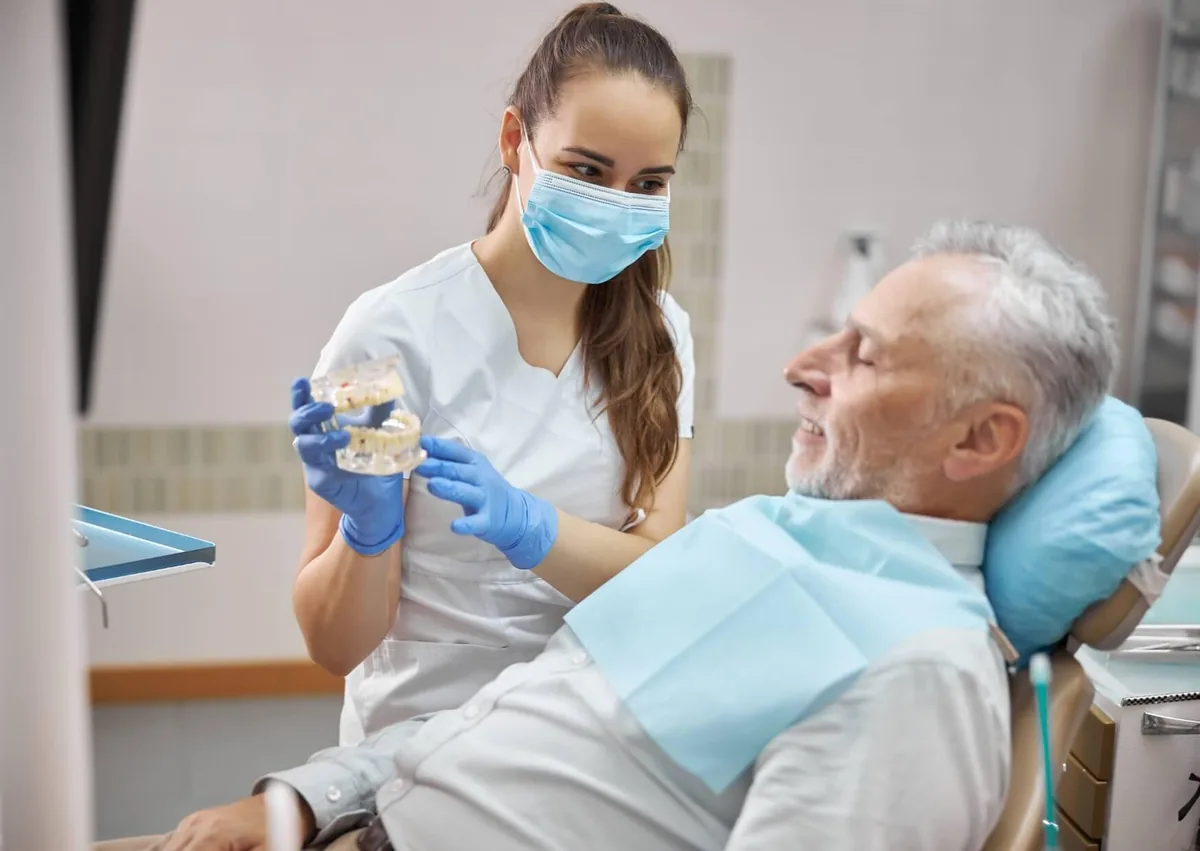
Bring your records, medication list, and priorities to the evaluation. Explain whether avoiding surgery, reducing visits, or having a fixed replacement matters most to you, and ask whether specialist assessment is needed.
If you have worsening pain, swelling, or drainage, seek prompt dental care rather than waiting for an implant consultation. Trouble breathing or swallowing, or rapidly spreading facial or neck swelling, requires emergency care.
You do not need to know whether you qualify before an evaluation. The assessment can clarify what is possible, what needs attention first, and which replacement option best fits your health and daily life.
An implant evaluation can clarify whether you are ready for treatment or need care first. To discuss dental implant options with Carolina Complete Dentistry in Charlotte, NC, call (704) 547-8555 to schedule a visit.
Possibly, but smoking increases the risk of healing problems, implant failure, and disease around implants. Discuss your use honestly and ask about cessation support and whether treatment should be delayed.
Not necessarily. Imaging can help determine whether grafting or another approach is feasible, but some sites remain unsuitable or require more treatment than you wish to undertake.
Possibly. An examination and imaging can determine whether implants could support a removable denture or a fixed replacement, and whether your existing dentures can be adapted or need replacement.
The implant and its replacement tooth do not develop tooth decay, but the surrounding gums and bone can become inflamed or infected. Nearby natural teeth can still develop cavities, so ongoing cleaning and dental visits remain essential.