
To switch dentists, confirm that a new office can evaluate your needs, check your insurance benefits, and arrange to transfer your dental records and relevant imaging. If treatment is unfinished, coordinate the handover before canceling appointments so you know who will provide the next step and follow-up care.
You may be moving, changing insurance, seeking a second opinion, or considering a different approach to restorative or cosmetic treatment. A clear transfer plan can help reduce avoidable delays, repeated testing, and uncertainty about costs.
If you are switching dentists with unfinished treatment, restorative dentistry can help you assess what comes next. At Carolina Complete Dentistry in Charlotte, NC, an evaluation can clarify your care needs and help you plan the handover.
Key Takeaway: You can change dentists while protecting continuity by coordinating your records, benefits, and unfinished treatment with both offices. Before leaving an active treatment plan, confirm who will handle your next clinical step and what the receiving dentist needs to evaluate you.
Table of Contents
You generally do not need to provide a lengthy personal explanation for switching dentists. A straightforward request can start the transfer, although records procedures, financial arrangements, and unfinished treatment may need separate discussion.
Request records that explain your diagnosis, completed work, and current treatment needs—not just a billing summary. The two offices can help identify the relevant materials.
Useful records may include:
For implant care, available implant system and component information can help the receiving clinician assess the restoration. For cosmetic work, photographs, shade information, and laboratory instructions may clarify the original plan, although updated records may still be needed.
Ask how the office handles patient access requests and direct transfers between providers. Authorization requirements, permissible fees, and response deadlines can depend on the request and applicable federal and state rules, so ask the records coordinator to explain the process and any expected charges.
Pro Tip: Confirm three details with both offices: where to send the records, which file formats the receiving office can use, and how you will know the transfer is complete.
Usable previous imaging may help avoid unnecessary duplication, but it does not rule out the need for new images. Imaging decisions should account for your history, symptoms, examination findings, and available images, consistent with the patient-specific approach described in ADA recommendations.
If new X-rays are recommended, ask what clinical question they will answer and whether the transferred images provide that information. Also ask about the expected charge and any insurance frequency limits that could affect coverage.
“Accepting your insurance” is not always the same as participating in your plan's network. An out-of-network office may submit claims, but your share of the bill depends on your benefits and the office's fees. A dental insurance review can help you prepare questions about coverage.
Ask your insurer and the new office about:
Changing dentists generally does not restart benefit limits under the same plan. A pretreatment estimate can help you plan, but it is not a guarantee of payment; benefits remain subject to your plan's terms and claim review.
Request an itemized estimate from the new office after evaluation. If you prepaid for unfinished treatment, ask the former office for an account statement and an explanation of any refund or remaining balance under your agreement and applicable rules.
Watch Out: Verify two separate issues: whether the new dentist is in network and whether the proposed procedure is covered. One does not establish the other, especially for cosmetic services that your plan may exclude.
Switching dentists during active treatment requires more coordination than transferring routine care. The receiving dentist must independently assess your condition and may recommend continuing, modifying, or replacing parts of the previous plan.
|
Current Treatment Stage |
What to Clarify Before Moving Care |
|---|---|
|
Temporary crown or bridge |
Who will monitor the temporary and arrange the final restoration |
|
Implant treatment |
Which clinician handles surgery, healing checks, and the final restoration |
|
Root canal or other staged care |
What has been completed and what follow-up remains |
|
Veneers or cosmetic restorations |
Whether scans, photographs, shade records, and pending lab work can be used |
|
Gum treatment or maintenance |
When the next evaluation or maintenance visit is clinically appropriate |
A new office may not be able to use another practice's laboratory work, materials, or existing treatment arrangements. Clarify this before authorizing changes because restarting a stage or making a new restoration may add appointments and expense.
If a specialist is involved, confirm who is responsible for each part of care and whether a new referral is needed. Changing the dentist who restores an implant does not automatically transfer surgical follow-up or mean the new provider offers every related service.
A second opinion is an option before committing to a full transfer. Ask what needs prompt attention, what can be monitored, and how the alternatives affect cost, tooth preservation, and future maintenance.
There is no single transfer timeline that fits every office or treatment stage. Contact both practices early to ask about records processing, appointment availability, and any clinical reason to keep an existing follow-up visit.
When feasible, completing a defined treatment stage before transferring may simplify the handover. However, administrative convenience alone should not determine whether you continue elective treatment; ask a dentist about the risks of pausing and how to keep the area stable while you decide.
Do not delay evaluation of severe, persistent, or worsening pain, a broken temporary restoration, or new swelling while waiting for records. Facial swelling with fever needs urgent assessment, and difficulty breathing or swallowing requires emergency medical care.
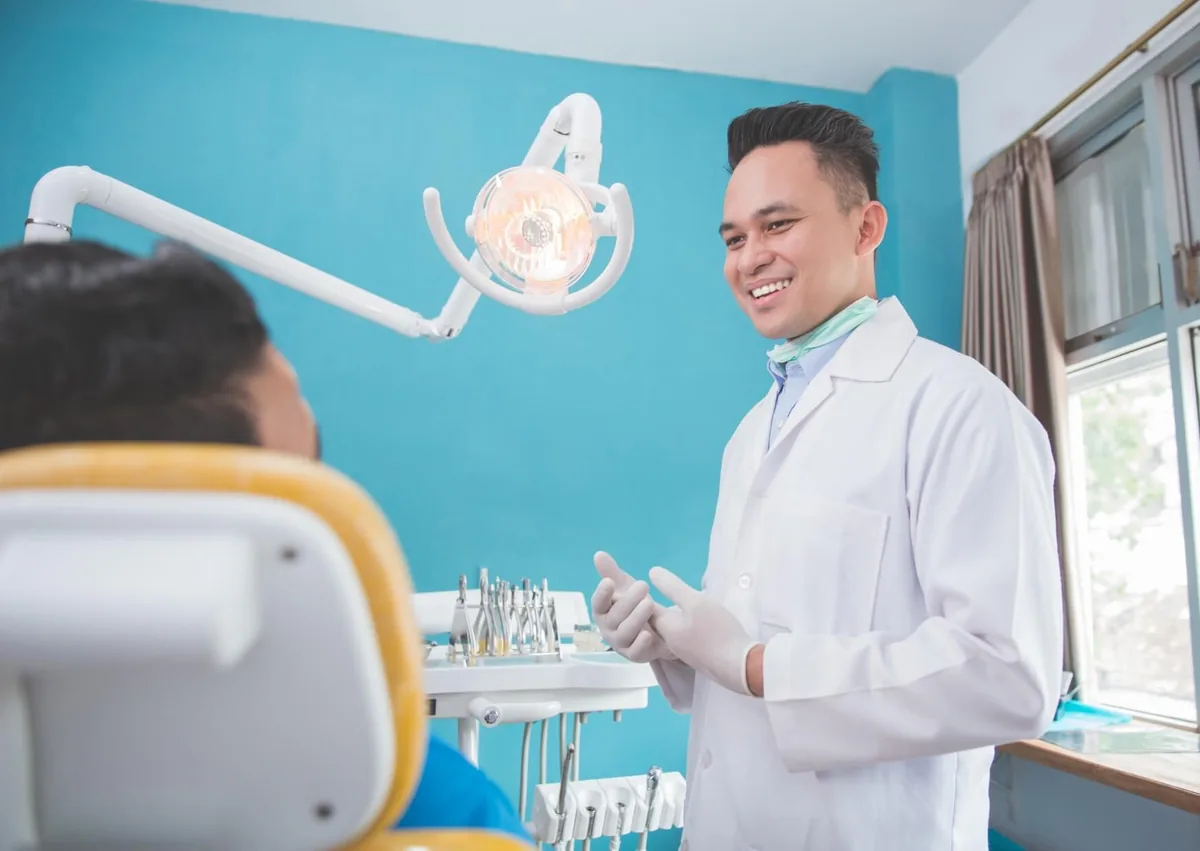
Bring an updated medication list, relevant medical history, insurance information, and any records that have not arrived. Explain your main concern, what treatment remains unfinished, and any problems with chewing, sensitivity, or the appearance of existing restorations.
Ask the dentist to distinguish immediate needs from elective improvements and explain whether existing restorations can be maintained. Switching dentists alone does not mean crowns, fillings, or veneers need replacement, and their likely durability depends on their condition and your individual circumstances.
Before leaving, clarify the proposed next step, expected costs, and who will provide any pending follow-up. Keeping that plan clear is especially important when your care involves both a restorative dentist and a specialist.
An evaluation can help you understand the next step for unfinished dental treatment before you transfer care. For restorative dentistry at Carolina Complete Dentistry in Charlotte, NC, call (704) 547-8555 to discuss scheduling a visit.
An unpaid balance and access to records are separate issues, and a balance generally does not eliminate applicable patient-access rights. Ask the records coordinator about your request and the billing team about your account. If a dispute prevents access, seek guidance from the appropriate regulator or a qualified adviser about the rules that apply.
You generally do not need to give a detailed personal explanation. You may still need to complete records paperwork, cancel appointments, and discuss unfinished treatment or financial arrangements.
Possibly, but the dentist must first evaluate the tooth, temporary restoration, available records, and laboratory status. They may be able to continue the crown and bridge care or may recommend a different approach, with separate fees and coverage considerations.
Timing varies by the request, applicable rules, record format, and office workflow. Ask the sending office for its expected completion date and confirm receipt with the new office before relying on the records for an appointment.