
Does dental implant failure mean you need the implant removed? Not always: a loose crown or connector may be repairable, while an implant that has not bonded with the jawbone or has lost supporting bone may need more extensive treatment.
Pain, swelling, bleeding, or movement needs a dental evaluation to determine which part is affected and whether it can be saved.
If your implant feels loose or painful, dental implant care can help identify what needs attention. At Carolina Complete Dentistry in Charlotte, NC, an evaluation can clarify your options and help you understand the next steps.
Key Takeaway: If your implant feels loose or develops persistent pain, swelling, or bleeding, the right treatment depends on whether the problem involves the replacement tooth, surrounding gums, or bone support. Before deciding on repair or replacement, have a dentist identify the cause and assess the implant’s stability.
Table of Contents
A dental implant is the post placed in the jawbone. An abutment connects it to the visible replacement tooth, called a crown. A loose crown or connector does not necessarily mean the implant itself has failed, so identifying the affected part matters.
After placement, the surrounding bone needs to attach to the implant through a process called osseointegration. Early failure occurs when that stable connection does not develop, sometimes before the final crown is attached.
Contributing factors can include infection, inadequate bone support, impaired healing, or excessive movement during healing. Smoking and poorly controlled diabetes can increase complication risk, although failure can occur without a single clear cause.
An implant that has worked well for years can still develop problems. Peri-implantitis is an inflammatory disease around an implant that involves progressive loss of supporting bone.
Risk factors for implant complications can include smoking, a history of gum disease, and poorly controlled diabetes. Plaque buildup and difficulty cleaning around the restoration can also contribute to inflammation around an implant.
Grinding, bite forces, or damaged components may cause mechanical complications. These problems require a different approach from treating inflammation, although both can occur together.
Contact your dentist about new, persistent, or worsening symptoms, especially if the implant was previously comfortable and stable. Warning signs include:
Some tenderness and swelling can occur after implant surgery, but symptoms should follow the recovery pattern your treating clinician described. Bone loss can also develop with few noticeable symptoms, making ongoing maintenance important.
Seek urgent dental care for increasing swelling, pus, fever, or severe pain. Go to an emergency department for trouble breathing or swallowing, or rapidly spreading facial or neck swelling.
Watch Out: A loose crown and a loose implant can feel similar, and both need assessment. Until you are seen, avoid chewing on that side and do not repeatedly wiggle, tighten, or glue the replacement tooth yourself.
Your dentist will review when symptoms started, examine the gums, and check your bite. They will also determine whether movement comes from the crown, connector, or implant itself. Dental X-rays help assess bone support, with additional imaging used when needed.
Comparing current images with earlier records can help reveal changes in bone levels. Your clinician may also review gum disease history, tobacco use, diabetes control, medications, and clenching or grinding.
Treatment depends on the cause, the amount and pattern of bone loss, implant stability, and whether the area can be kept clean. Symptoms alone cannot establish whether an implant can be saved.
|
Finding |
Possible Treatment |
Main Decision Factor |
|---|---|---|
|
Loose or damaged crown or connector |
Repair, adjustment, or replacement of the affected component |
Whether the implant remains stable |
|
Gum inflammation without supporting bone loss |
Professional cleaning and improved home care |
Whether inflammation resolves and cleaning is effective |
|
Peri-implantitis with bone loss |
Implant-surface cleaning, sometimes with surgery or regenerative treatment |
Severity, bone defect, and access for cleaning |
|
Implant that has lost its bone attachment or cannot be maintained |
Removal and planning for replacement |
Remaining bone, infection, and overall prognosis |
Early gum inflammation around an implant, called peri-implant mucositis, can often improve with professional care and effective plaque control. Once supporting bone is lost, treatment becomes more complex, and saving the implant is not guaranteed.
If removal is necessary, another implant may be possible after the underlying problem is addressed. Bone grafting may be needed before or during replacement treatment. A bridge or removable denture may be more suitable depending on nearby teeth, available bone, health, and your preferences.
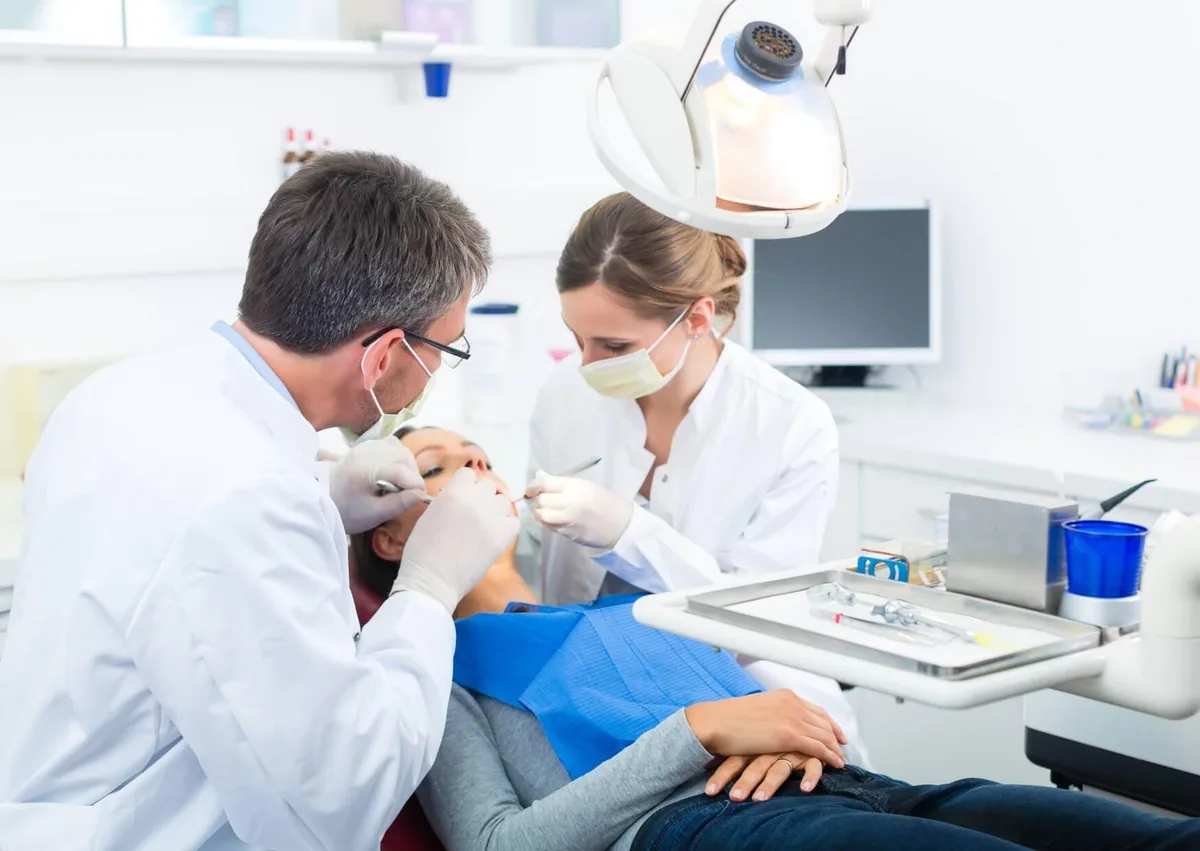
A component repair generally involves less treatment than implant removal and reconstruction. If infection treatment, bone grafting, or a new implant is needed, care may involve separate healing stages before a final tooth can be attached.
Ask for a timeline based on your examination and imaging rather than a general estimate. Also ask whether a temporary tooth is possible and what chewing restrictions would apply during healing.
How long dental implants last depends on factors such as bone support, oral health, and maintenance. Implants can function for many years, but neither the implant nor its crown is guaranteed to last a lifetime. A crown may need repair or replacement even when the implant remains healthy, and a replacement implant still needs long-term monitoring.
Prevention starts with addressing the likely cause rather than simply replacing the failed part. Work with your dental team on the factors that apply to you:
Choose a clinician experienced in assessing implant complications, and ask whether specialist input would help. A periodontist or oral surgeon may be involved in surgical care, while a restorative dentist or prosthodontist may address the crown, bite, and replacement options.
The cost of treating dental implant failure depends on whether you need a component repair, gum treatment, surgery, grafting, or a new restoration. Request a written estimate that separates diagnostic care, temporary teeth, surgical treatment, and the final replacement tooth when applicable.
Dental benefits vary, and a plan may treat repairs, implant removal, grafting, and replacement differently. Ask the dental office and insurer to verify exclusions, replacement-frequency limits, annual benefit limits, and any prior-authorization requirements. An estimate is not a guarantee of payment.
Pro Tip: Bring prior implant records if available, including the implant brand or component information and earlier X-rays. Ask these 3 questions: What exactly has failed, what can reasonably be saved, and what alternatives should I compare?
Even if the original implant cannot be saved, a careful assessment can identify options for restoring comfort and function. Understanding the cause, expected treatment stages, and alternatives can help you make a decision without rushing into another procedure.
An evaluation can help you understand whether your implant needs repair, treatment, or replacement. For dental implant care at Carolina Complete Dentistry in Charlotte, NC, call (704) 547-8555 to discuss your next step.
Not necessarily. Pain can come from the gums, bite, crown, or another nearby tooth, but persistent or worsening pain needs a dental examination.
Yes. Inflammation and bone loss can sometimes progress with little discomfort, so regular examinations remain important even when an implant feels normal.
Sometimes, but the decision depends on bone support, infection, nearby structures, and why the first implant failed. Your clinician can explain whether replacement, grafting, or a different tooth-replacement option is appropriate.
Antibiotics alone generally do not address plaque deposits, lost bone support, or mechanical problems. A dentist needs to assess the cause and determine what professional treatment is needed.