
Tooth contouring cost in the United States commonly ranges from about $50 to $300 per tooth. The final fee depends on how many teeth are treated, how much reshaping is needed, and whether the dentist recommends contouring alone or combines it with another cosmetic treatment.
Also called enameloplasty or cosmetic reshaping, tooth contouring removes a very small amount of enamel to smooth a minor chip, soften a sharp edge, or improve a slightly uneven tooth shape. Because enamel does not grow back, a dentist should confirm that contouring is safe and likely to give enough improvement before treatment.
If you're weighing whether minor reshaping or a broader smile improvement will give the results you want, cosmetic dental care can clarify which conservative options fit your teeth and goals. Carolina Complete Dentistry in University City, Charlotte, NC provides clear evaluations and tailored treatment guidance so you understand likely outcomes, risks, and cost implications before making a decision.
A tooth contouring fee usually covers treatment planning, careful enamel reshaping, smoothing, and polishing. Some offices charge per tooth, while others quote one fee for several teeth treated in the same visit.
The exam and X-rays may be separate charges. A written estimate should list the number of teeth involved, any diagnostic costs, and whether follow-up polishing is included.
Dental insurance often treats contouring as cosmetic and may not cover it. For examples of how plans may limit cosmetic benefits, see our article on cosmetic treatment coverage.
Coverage may be possible in limited cases if reshaping is recommended for a documented functional reason. It is smart to ask the dental office for procedure details and confirm benefits with the insurer before treatment.
The number of teeth treated is one of the biggest cost factors. Reshaping one slightly uneven front tooth usually costs less than balancing the edges of several visible teeth.
Complexity matters too. Fees may be higher when the dentist needs to work around a chipped area, evaluate a crowded bite, or combine contouring with bonding.
Location, office overhead, and the dentist's experience can also affect pricing. A lower fee is not always the better value if there is not enough healthy enamel for safe reshaping.
Tooth contouring works best for small shape changes. It can help with a tiny chip, a rough edge, a mildly pointed canine, or slight differences in front-tooth length.
It may also improve a minor overlap when the issue is mostly enamel shape rather than true tooth position. In the right case, the result is immediate and subtle.
Contour a new chip only after a dentist checks it. Pain, temperature sensitivity, swelling, a loose tooth, a deep crack, or bleeding after injury may point to a problem that needs more than cosmetic smoothing.
Tooth contouring cannot rebuild missing tooth structure, make a tooth much longer, change tooth color, or correct significant crowding. It also cannot safely solve deeper cracks or major bite problems.
That is why the exam matters. Removing too much enamel can expose the more sensitive layer under it and may weaken the tooth.
If you have facial swelling, trouble breathing, or uncontrolled bleeding after dental trauma, seek urgent medical care. Those symptoms go beyond a cosmetic concern.
The best option depends on whether the problem is extra enamel, missing structure, tooth color, alignment, or a mix of concerns. A dentist may recommend one treatment or a conservative combination.
|
Option |
Often Suited For |
Typical Timing |
Key Consideration |
|---|---|---|---|
|
Tooth contouring |
Tiny chips, rough edges, minor shape differences |
Often one visit |
Removes enamel permanently |
|
Small gaps, larger chips, added length or width |
Often one visit |
Resin can stain or chip over time |
|
|
Broader changes in shape, color, or symmetry |
Usually multiple visits |
Higher cost and greater tooth alteration |
|
|
Orthodontic treatment |
Crowding, spacing, rotation, or bite concerns |
Months or longer |
Moves teeth rather than reshaping enamel |
Bonding usually costs more than contouring because material is added and shaped rather than simply reduced. For a closer look at that option, read about bonding for chipped teeth.
A smile makeover may combine contouring with bonding, veneers, or whitening when you want several changes at once. This approach can help you compare long-term maintenance, total cost, and expected results.
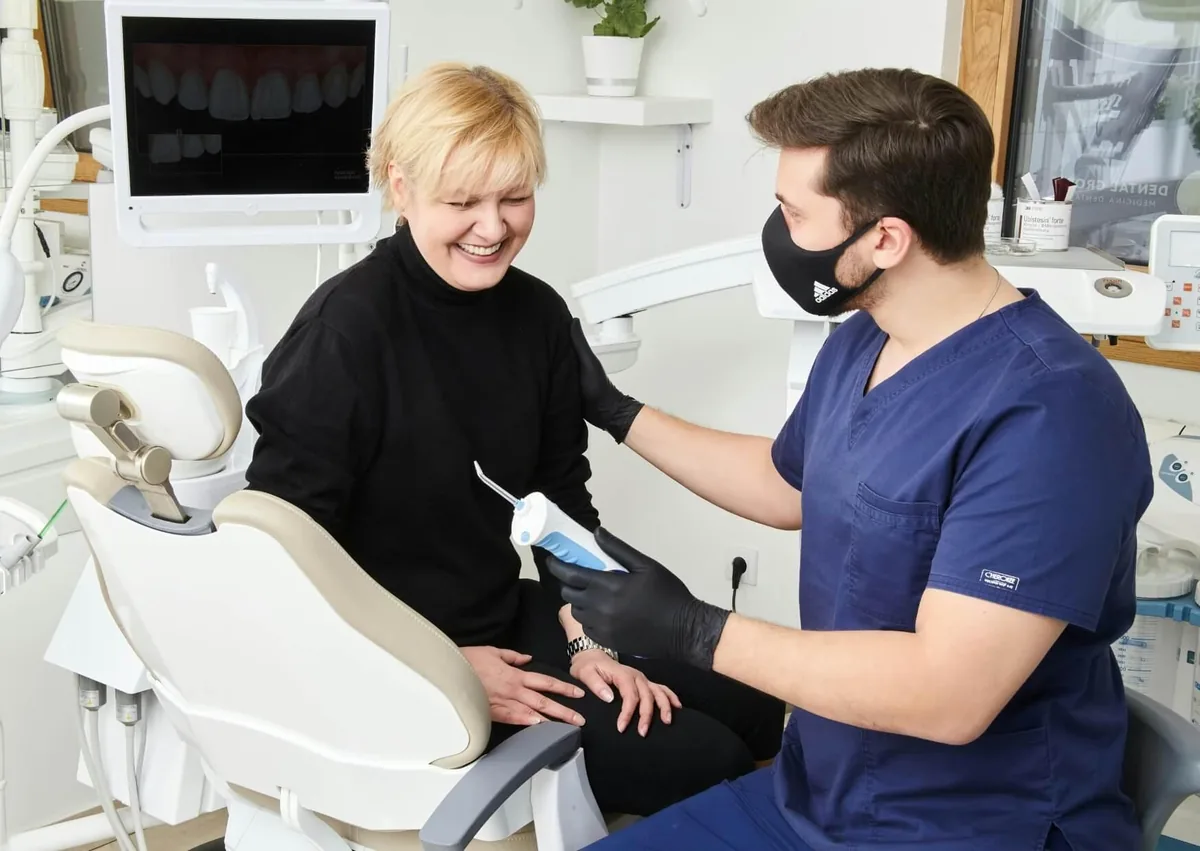
Tooth contouring is often done in one visit and may take only a short time. The exact timing depends on how many teeth need adjustment and how precise the reshaping must be.
Because enamel has no nerves, anesthesia is often unnecessary. Individual comfort can still vary, especially if enamel is thin or the tooth already has sensitivity.
The dentist usually marks the planned changes, removes tiny amounts of enamel with fine instruments, and then polishes the surface. Results are immediate, but they are intentionally conservative to protect healthy tooth structure.
There is usually little or no downtime. If your bite feels off or sensitivity does not settle, contact the dental office.
The shape change is permanent because removed enamel does not grow back. That makes careful case selection important.
The treated edge can still wear down or chip later. Nail biting, chewing ice, grinding, clenching, or using teeth to open packages can shorten the life of the cosmetic result.
A night guard may be recommended if grinding is putting your teeth at risk. Daily brushing with fluoride toothpaste, flossing, and regular checkups help protect both treated and untreated enamel.
A consultation should answer a simple question: will minor reshaping give enough improvement without harming the tooth? That discussion should cover enamel thickness, bite forces, expected cosmetic change, alternatives, and total cost.
Ask how much enamel would be removed, what result is realistic, and what the next step would be if contouring alone is not enough. In some cases, bonding or orthodontic treatment gives a safer or more predictable outcome.
Do not file or sand a tooth at home. Household tools can remove enamel unevenly and may cause cracks, sensitivity, infection risk, or bite problems.
For a minor shape concern, a local general dentist or cosmetic dental care provider can evaluate tooth health, enamel thickness, and bite forces before giving you a personalized quote. That visit can show whether contouring is the most conservative option or whether bonding, orthodontics, or another treatment makes more sense.
If you want a focused evaluation of enamel thickness, bite factors, and realistic cosmetic results, request a personalized consultation to review contouring and alternatives. Call Carolina Complete Dentistry for cosmetic dental care at University City, Charlotte, NC at (704) 547-8555 to schedule an appointment.
Usually, yes. Tooth contouring removes a small amount of enamel, while dental bonding adds and shapes tooth-colored resin, so bonding usually takes more material and chair time.
Insurance commonly excludes tooth contouring when it is done only for appearance. Coverage varies by plan, so review examples like Aetna cosmetic bonding and UnitedHealthcare tooth bonding and ask your insurer for a coverage estimate.
If contouring is recommended for a functional reason, the dental office may be able to provide procedure details that help with benefit verification.
Several teeth may be treated in one visit if each one needs only a small adjustment. The safe number depends on enamel thickness, tooth position, bite relationships, and how much reshaping is planned.
Most people feel little or no discomfort because treatment stays within the enamel. Sensitivity is still possible if enamel is thin or the tooth has another issue, which is why an exam should come first.
It can smooth a very small, shallow chip if enough healthy enamel remains. A larger chip, crack, painful tooth, or deeper structural damage may need bonding, a crown, or another restorative treatment instead.