
Gum contouring can improve a gummy, uneven, or asymmetrical smile when the main issue is excess or irregular gum tissue. It can also help prepare a tooth for restorative work, but the right plan depends on whether the concern involves gum tissue alone, tooth position, underlying bone, recession, or active gum disease.
If you’re weighing cosmetic options to reduce a gummy or uneven smile, cosmetic dental care can clarify whether gum contouring or an alternative treatment best meets your goals. At Carolina Complete Dentistry in University City, Charlotte, NC, our team combines aesthetic planning and practical sequencing to protect oral health while improving appearance.
Gum contouring reshapes the gumline to show more natural tooth structure and create better balance across the smile. It is often used when teeth look short, the gumline appears uneven, or one side of the smile shows more gum than the other.
This treatment works best when excess gum tissue is the main cause of the problem. It does not correct every type of gummy smile, especially when lip movement, tooth position, jaw structure, or bone levels are the bigger issue.
Gum reshaping may also be part of restorative treatment. A related procedure called crown lengthening exposes more tooth structure so a filling, crown, or repair can be placed more securely.
An uneven gumline can happen for several reasons. Some people naturally have thicker gum tissue, while others have gums that still cover part of the tooth after eruption.
Past dental work, tooth wear, or differences in tooth position can also change how the smile looks. In other cases, the issue is not the gums alone, which is why diagnosis matters before treatment.
Common causes include:
Inflamed gums should usually be treated before elective contouring. If you notice bleeding, swelling, or tenderness, review warning signs of gum disease before moving ahead with cosmetic treatment.
If medication-related enlargement is suspected, the dentist may coordinate with the prescribing clinician. Patients should not stop or change medication without medical guidance.
If infection is suspected, review understanding gum disease and periodontal disease treatment options before planning elective cosmetic work.
The best gum contouring method depends on how much tissue needs to be reshaped and whether bone is close to the planned new gumline. A clinical exam, measurements around the teeth, and sometimes X-rays help guide that decision.
A general dentist, periodontist, or other appropriately trained dental clinician may use a laser, electrosurgery, or traditional surgical instruments. The method matters less than accurate planning and protecting the tissue attachment that supports the tooth.
|
Option |
Often Used For |
Key Consideration |
|---|---|---|
|
Small cosmetic adjustments |
May limit bleeding and allow precise shaping |
|
|
Electrosurgery |
Controlled soft-tissue reshaping |
Requires careful use around teeth and restorations |
|
Surgical reshaping |
Broader or more complex corrections |
May be preferred when access and detailed tissue management are important |
|
Crown lengthening with bone adjustment |
Teeth with bone close to the planned gumline |
Usually involves a longer recovery than tissue-only treatment |
|
Orthodontic or restorative treatment |
Concerns caused by tooth position, shape, or wear |
May be used instead of or along with gum reshaping |
For tissue-only contouring, the area is usually numbed with local anesthetic before the excess tissue is removed and refined. If bone must also be reshaped, the procedure is more involved and may require sutures and follow-up with a periodontist.
Recovery after gum contouring is often manageable. Mild soreness, swelling, or slight bleeding can happen for a short time after treatment.
Many patients return to normal daily activities within a day or two after limited soft-tissue contouring. The gums may still need several days to a few weeks to settle into their final shape.
Recovery takes longer after crown lengthening or bone reshaping. Follow your clinician's instructions for brushing, eating, activity, rinses, and pain relief rather than relying on a general online recovery plan.
Contact the treating office promptly for bleeding that does not slow with directed pressure, worsening swelling, fever, pus, severe or increasing pain, or trouble swallowing or breathing. Difficulty breathing or rapidly spreading swelling requires emergency care.
Gum contouring results are often long-lasting when the excess tissue is removed appropriately and the underlying cause has been addressed. Stability is less predictable when inflammation remains, bone position was not considered, or treatment was done before the tissues were ready.
Daily plaque control and regular professional care help protect the new gumline. Smoking, uncontrolled diabetes, active periodontal disease, and inconsistent oral hygiene can slow healing and affect the final result.
If veneers, crowns and bridges, or bonding are planned, the dentist may wait for the gumline to heal and stabilize before finalizing the restorations. Depending on how much tissue or bone was treated, that timing can range from weeks to several months, and published evidence on healing time after surgical crown lengthening supports an individualized schedule.
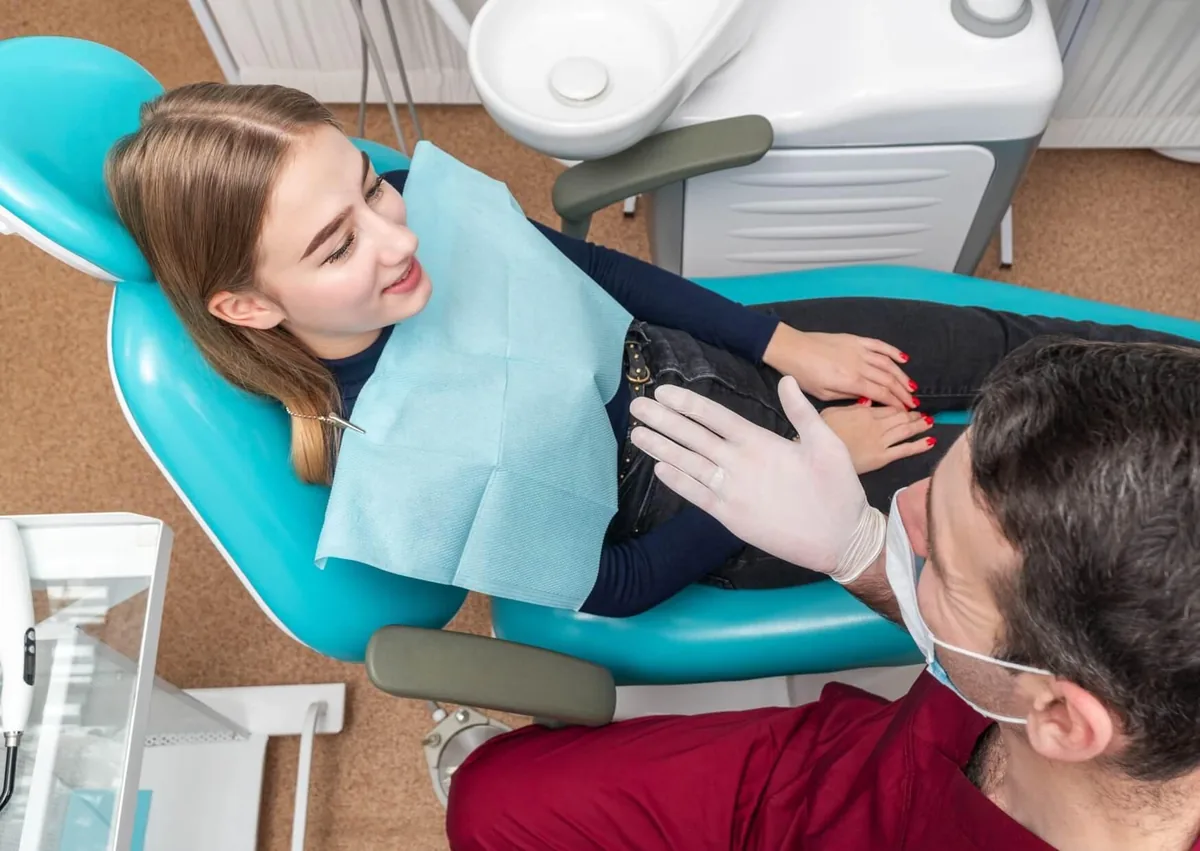
A useful consultation should clarify whether your goal is cosmetic, restorative, or both. An evaluation within cosmetic dental care can help map out the cause, the treatment sequence, and the likely timeline.
The clinician should assess gum health, tooth proportions, bite, smile line, bone levels, and the amount of attached gum tissue before recommending treatment. This helps determine whether tissue reshaping alone is enough or whether another option would produce a healthier, more balanced result.
Ask whether the plan involves only soft tissue, whether bone adjustment may be needed, who will perform the procedure, and how long healing should take before other dental work begins. Also ask for a full estimate, since fees vary by the number of teeth treated, complexity, clinician, and region, and cosmetic treatment is often not covered by insurance; learn more about cosmetic treatment coverage.
Gum contouring should usually be postponed when there is untreated gum disease, unexplained gum enlargement, or too little healthy tissue around a tooth. Patients considering broader aesthetic changes may also combine gum contouring with other procedures as part of a smile makeover and learn more about planning a smile makeover.
A focused consultation will confirm whether tissue-only contouring, crown lengthening, or a combined cosmetic plan is the right next step. Call Carolina Complete Dentistry for cosmetic dental care in University City, Charlotte, NC, at (704) 547-8555 to discuss options and schedule an evaluation.
Local anesthetic usually keeps the procedure comfortable. Soreness afterward is usually manageable, but the amount and duration depend on whether treatment involves only gum tissue or also the underlying bone.
A small amount of tissue rebound can happen during healing. Significant regrowth is less likely when treatment is properly planned and inflammation or another underlying cause has been controlled.
It can help when excess gum tissue covers otherwise normal tooth structure. If the main cause is jaw position, tooth position, lip movement, or very short teeth, another treatment or a combined approach may be a better fit.
Coverage is uncommon when treatment is purely cosmetic. A plan may provide benefits when crown lengthening or related treatment is needed to restore a damaged or decayed tooth, but preauthorization does not always guarantee payment.
General dentists may perform limited soft-tissue reshaping, while periodontists specialize in gums and the supporting structures around teeth. More complex cases, especially those involving bone or periodontal disease, may benefit from evaluation by a periodontist.