
Affordable dental implants in Charlotte, NC, are often possible when you compare full treatment estimates, choose the least complex option that is still clinically appropriate, and ask about financing or phased care. The lowest advertised price is not always the lowest total cost, so the best first step is a dental evaluation with an itemized written estimate.
If you're comparing complete treatment estimates or considering phased care to make dental implants affordable, a restorative dentistry consultation can clarify which procedures you truly need. Carolina Complete Dentistry in University City, Charlotte, NC provides a coordinated evaluation that outlines options, timelines, and likely costs to help you weigh safety and value.
A dental implant is a small post placed in the jawbone to support a replacement tooth. The full restoration usually includes the implant post, an abutment, and a crown, bridge, or denture.
Costs vary because not every patient needs the same treatment. The number of missing teeth, the location of those teeth, bone volume, gum health, imaging, sedation, extractions, and lab materials can all change the final price.
Some advertised prices cover only the implant post, not the complete restored tooth. Ask whether the estimate includes the exam, 3D imaging, implant, abutment, temporary tooth, final restoration, follow-up visits, and any likely additional procedures.
Dental insurance may help with some parts of care, but benefits and annual limits vary. Review details for plans such as Aetna dental coverage.
A written, itemized treatment plan makes it easier to compare offices fairly. A focused restorative dentistry consultation can help you see which parts of treatment are essential, optional, or safe to stage over time.
Teeth can be lost because of decay, cracks, failed root canal treatment, gum disease, injury, or long-term wear. Before placing an implant, a dentist needs to identify and control active disease because untreated infection or unstable gum disease can reduce the chance of success.
After a tooth is removed, the jawbone in that area often shrinks over time because it no longer receives normal chewing pressure. If too little bone remains, a bone graft before implant may be recommended to create better support, although not every patient needs one.
Mayo Clinic explains that bone grafting may be needed when the jawbone is too thin or too soft to support an implant. That added step can improve stability, but it may also increase cost and extend the timeline.
Smoking or vaping, uncontrolled diabetes, teeth grinding, certain medications, and a history of gum disease may also affect healing. These risk factors do not always rule out implants, but they can change the treatment plan, timing, maintenance needs, or expected outcome.
The most economical option depends on how many teeth are missing, the condition of nearby teeth, and your health goals. A lower upfront price does not always mean better long-term value.
|
Option |
Common Use |
Relative Initial Cost |
Key Consideration |
|---|---|---|---|
|
Single implant and crown |
One missing tooth |
Higher than a basic bridge in some cases |
Does not require shaping healthy neighboring teeth |
|
Implant-supported bridge |
Several adjacent missing teeth |
Moderate to high |
May replace multiple teeth with fewer implants |
|
Implant-retained dentures |
Many or all teeth missing |
Moderate |
Improves denture stability but remains removable |
|
Fixed full-arch implant restoration |
Most or all teeth in an arch |
Highest |
Fixed replacement with more complex planning |
|
Traditional bridge |
One or several missing teeth |
Often lower initially |
Relies on neighboring teeth for support |
|
Removable partial or full dentures |
Several or all teeth missing |
Usually lowest initially |
May move during use and may need periodic adjustment |
When most or all teeth in one arch are missing, options such as All-on-4 implants may be more cost-effective than replacing every tooth individually. That is why full-arch comparisons should be part of any implant consultation.
Saving a natural tooth is often preferable when it has a sound, predictable prognosis. A dentist may compare an implant with bridges and crowns, other restorative treatment, or removable dentures rather than assuming extraction is the only path forward.
Start by comparing equivalent treatment plans, not promotional headlines. One estimate may include grafting and the final crown, while another may leave those out.
Ask about dental care payment options such as payment plans, third-party financing, dental savings plans, insurance preauthorization, and whether treatment can be safely divided into stages. Health savings accounts and flexible spending accounts may also help with eligible dental expenses, depending on plan rules.
Dental schools or supervised residency clinics sometimes offer reduced fees, though treatment may take longer and availability may be limited. For broader ideas, review affordable dental care options.
Affordability should not mean giving up proper diagnosis, sterilization, imaging, licensed care, or follow-up. Be cautious about pressure to start immediately, guarantees that sound too broad, or quotes given without an exam and imaging.
Treatment usually starts with an exam, dental X-rays, and sometimes a cone beam CT scan. That 3D imaging helps the dentist evaluate bone, nearby structures, and whether extractions or grafting are needed first.
Some implants can be placed at the time of extraction, while others are placed after the area heals. After placement, the implant often needs several months to integrate with the bone before the final restoration is attached.
Immediate temporary teeth may be possible in selected cases. However, same-day teeth does not necessarily mean healing is complete or that the final restoration is already in place.
Implants can function for many years, but no dental treatment lasts forever. Research on long-term survival shows that many implants remain successful over extended follow-up, although crowns, bridges, denture attachments, and other parts may still need repair or replacement over time.
Daily brushing, cleaning around the restoration, and regular professional care help support longevity. If you grind or clench, a night guard may also be recommended to reduce excess force.
Possible complications include infection, failure to integrate with bone, gum recession, loosening or fracture of components, and inflammation with bone loss around the implant. Seek prompt dental care for worsening swelling, pus, fever, uncontrolled bleeding, severe or increasing pain, new numbness, trouble swallowing or breathing, or an implant that feels loose.
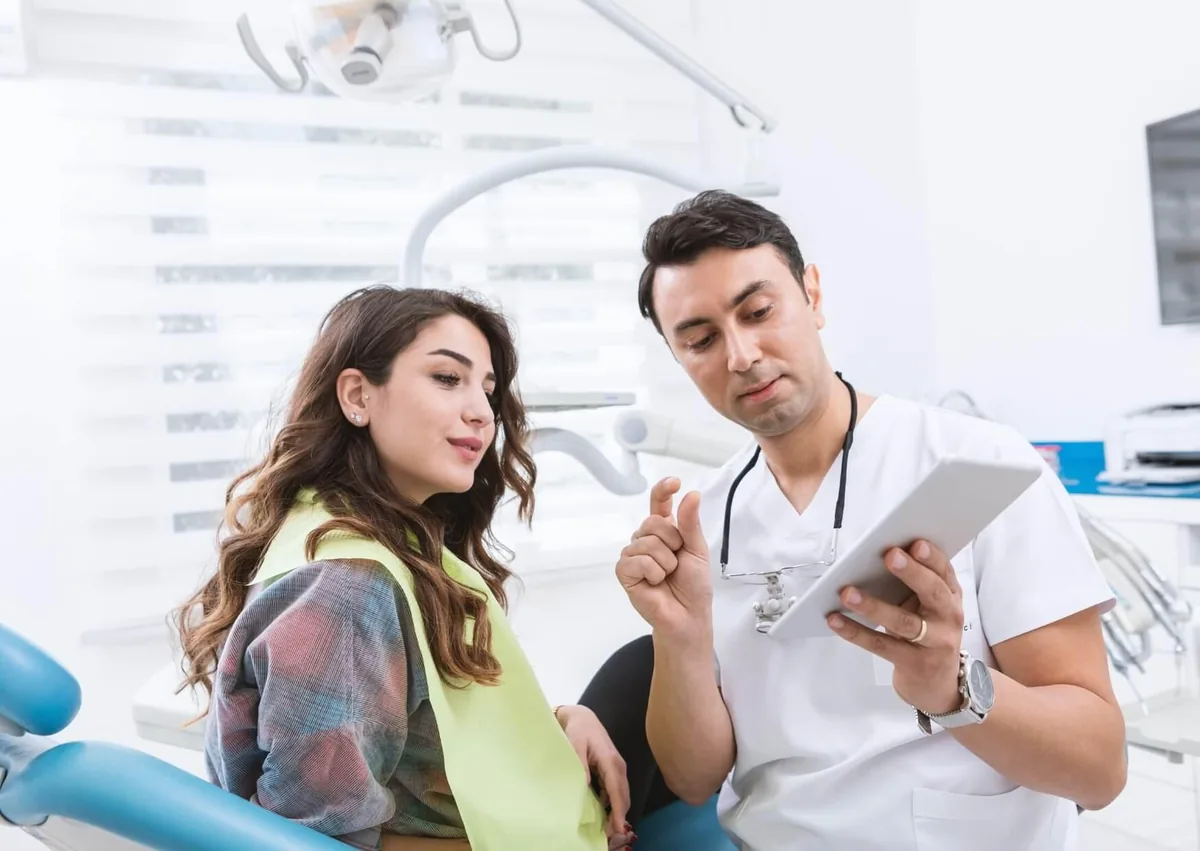
A useful consultation should explain why each procedure is recommended, what alternatives exist, who will perform each stage, and how after-hours concerns are handled. You should also ask about the implant system used, maintenance expectations, and what any warranty does and does not cover.
Bring your insurance card, medication list, medical history, and any recent dental images if you have them. A local evaluation can show whether an implant is appropriate and provide a complete estimate based on your teeth, gums, bite, and jawbone.
Patients looking for affordable dental implants in Charlotte, NC, can make a safer decision by comparing total treatment cost rather than the opening price alone. That approach helps balance budget, function, and long-term value.
A focused restorative dentistry consultation is the practical next step to get an itemized plan, confirm implant candidacy, and explore staged or lower-cost alternatives. Contact Carolina Complete Dentistry for restorative dentistry services in University City, Charlotte, NC at (704) 547-8555 to schedule a visit and get a clear, written estimate.
There is no single fee because a complete implant restoration may include imaging, extraction, grafting, the implant post, an abutment, and a crown. An in-person exam is the best way to get a reliable estimate and confirm what is included.
Some plans may cover part of the crown, extraction, graft, or implant, while others exclude implant treatment or apply waiting periods and annual maximums. A pre-treatment estimate from the insurer can help clarify expected benefits, but it is not always a guarantee of payment.
A lower fee does not automatically mean lower-quality care. Safety depends on proper diagnosis, qualified treatment, appropriate materials, infection control, and dependable follow-up.
Immediate placement may be possible when there is enough healthy bone and infection or other conditions can be managed appropriately. In other cases, healing first or completing a bone graft may provide a more predictable result.
Age alone usually does not determine eligibility. General health, healing ability, bone volume, oral hygiene, medications, and the ability to attend follow-up visits are often more important.