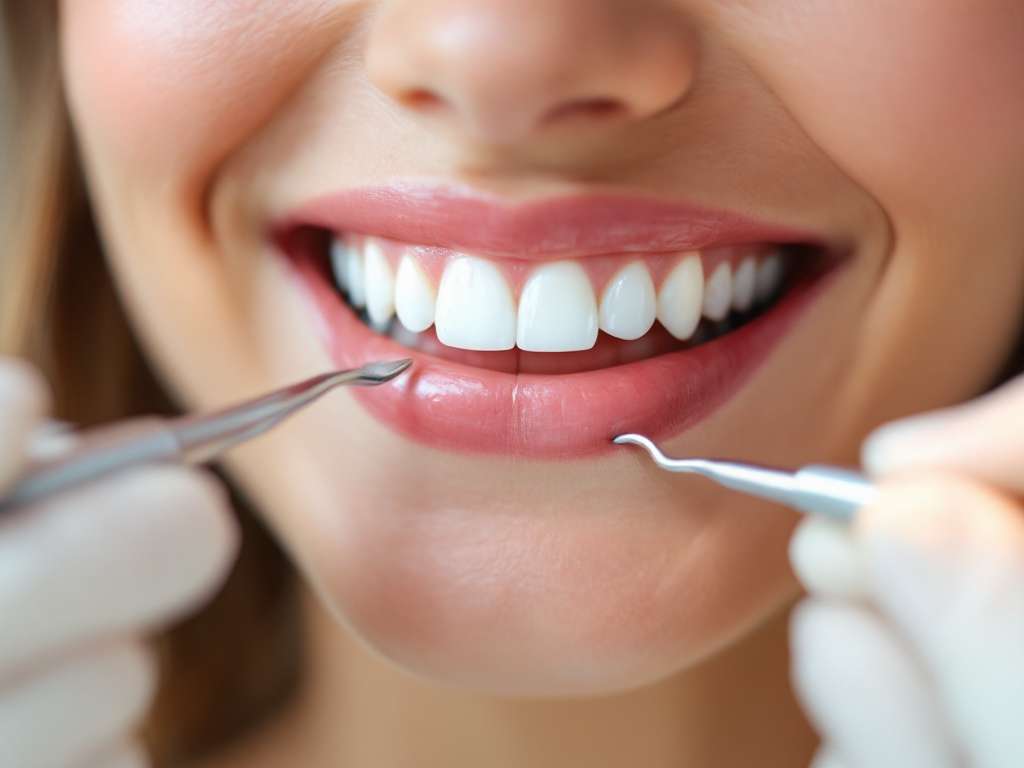
Understand dental bonding service
If you’re exploring a dental bonding service to enhance your smile, you’ll find it’s a minimally invasive cosmetic dentistry option that blends form and function. Dental bonding uses tooth-colored composite resin to repair chips, close gaps, or reshape teeth, improving your appearance without permanently altering natural enamel [1]. Unlike porcelain veneers, bonding typically requires little to no enamel removal and is completely reversible.
What is dental bonding
Dental bonding is a procedure in which a dentist applies a composite resin material directly onto your tooth surface. After roughening the enamel to help adhesion, your provider layers, sculpts, and cures the resin with ultraviolet light. This process can address:
- Minor chips and cracks
- Small gaps between teeth
- Slight discoloration or staining
- Irregular tooth shapes
Benefits of bonding
- Quick treatment: Each tooth takes about 30–60 minutes to complete [1].
- No anesthesia: You usually won’t need numbing unless the repair is extensive.
- Cost-effective: National average cost is $431 per tooth, with a range of $288–$915 [2].
- Reversible: No significant removal of healthy enamel means you can undo or redo bonding if you choose different options later.
Limitations of bonding
- Durability: Composite resin is less stain-resistant and more prone to chipping than porcelain.
- Longevity: Bonding lasts between three and ten years, depending on oral habits and location in the mouth [1].
- Cosmetic scope: Not ideal for dramatic smile makeovers; you may need veneers or crowns for extensive changes.
Explore procedure steps
Knowing what to expect helps you prepare and feel confident on treatment day. Here’s how your dental bonding appointment typically unfolds.
Pre-treatment preparation
Before bonding, your dentist will perform a cosmetic dental evaluation to assess oral health and discuss your goals. You may have X-rays or digital impressions during a smile design consultation to plan shape, shade, and placement.
Application process
- Shade selection: Your provider chooses a resin hue that matches adjacent teeth.
- Surface preparation: A mild acid etches the enamel to improve bond strength.
- Resin application: Composite resin is placed in layers, sculpted to the desired contour.
- Curing: Each layer is hardened with ultraviolet light to ensure durability.
- Polishing: Final shaping and polishing create a smooth, natural-looking finish.
Most bonding applications take 30–60 minutes per tooth without anesthesia, and you can bite immediately afterward [1].
Post-treatment sensitivity
Temporary sensitivity to hot and cold is common for a few days. Over-the-counter pain relievers will help, and you can resume normal eating and brushing right away.
Compare with other options
Dental bonding is one of several cosmetic dentistry services. Understanding how it stacks up against veneers, crowns, and whitening can guide your decision.
Bonding vs veneers
| Feature | Bonding | Porcelain veneers |
|---|---|---|
| Enamel removal | Minimal or none | Requires removing 0.3–0.7 mm of enamel |
| Reversibility | Completely reversible | Irreversible once prepared |
| Durability | 3–10 years | 10–15+ years |
| Stain resistance | Moderate, may discolor over time | High, resists staining |
| Treatment time | Single visit | 2–3 visits (prep, bonding, follow-up) |
| Cost | $288–$915 per tooth ([CareCredit]) | $925–$2,500 per tooth |
Learn more about combining these approaches in our veneers & bonding service.
Bonding vs crowns
Crowns cover the entire tooth, providing strength for teeth with extensive decay or root canal treatment. Bonding only masks surface imperfections and is not suitable when structural reinforcement is needed. For more on protective restorations, see cosmetic dental crowns.
Bonding vs whitening
Whitening treatments brighten your natural enamel but won’t correct shape, gaps, or chipped edges. If your primary goal is stain removal, an in-office whitening dental session may suffice. For combined color and shape correction, bonding plus whitening can deliver comprehensive results.
Assess aesthetic outcomes
Achieving a harmonious, natural-looking smile depends on precise color, shape, and proportion. Dental bonding allows for fine-tuned customization.
Color matching techniques
Your dentist will use shade guides and digital imaging to select a resin that blends seamlessly with surrounding teeth. If you plan to whiten later, consider whitening before bonding so the composite matches your brightest shade.
Shape and size customization
Composite resin can be sculpted into virtually any shape. Whether you need to lengthen worn teeth or fill small gaps, bonding offers control over symmetry and proportion without full-coverage restorations.
Smile harmony
Beyond individual teeth, your provider will consider gum line, bite alignment, and facial features. In some cases, combining bonding with gum contouring service ensures balanced aesthetics by adjusting your gum line for an even appearance.
Evaluate longevity and care
Your daily habits and maintenance routines play a crucial role in how long bonding lasts and how it looks over time.
Durability factors
- Location: Front teeth bonds endure less chewing force than molars, extending lifespan.
- Oral habits: Avoid using teeth as tools, biting nails, or chewing on hard objects.
- Diet: Limit staining foods and beverages like coffee, tea, and red wine.
Maintenance tips
- Brush twice daily with a soft-bristle brush and nonabrasive fluoride toothpaste.
- Floss gently once daily to avoid dislodging the resin.
- Schedule regular check-ups so your dentist can spot early wear or staining.
- Wear a nightguard if you grind your teeth during sleep.
Repairing chipped bonding
One of bonding’s advantages is easy repair. If a section chips, your dentist can reapply composite directly, often in a quick chair-side touch-up [3].
Estimate service costs
Cost is a key factor in choosing cosmetic treatments. Dental bonding is relatively affordable, but understanding the breakdown helps you plan.
Pricing averages
- National average: $431 per tooth [2]
- Typical range: $300–$600 per tooth [4]
- Factors affecting cost: Number of teeth, geographic location, provider expertise, additional procedures
Insurance coverage
Most dental insurance plans cover bonding only when it repairs structural damage such as a chipped tooth, not when it’s purely cosmetic. Review your policy or consult our guide on cosmetic dentistry with insurance to explore payment and financing options.
Identify suitable candidates
Knowing whether you’re a good candidate for dental bonding ensures predictable outcomes and long-term satisfaction.
Ideal patients
- Healthy teeth and gums free from decay or active periodontal disease
- Minor cosmetic concerns like small chips, cracks, or slight gaps
- Patients satisfied with current tooth color or willing to whiten beforehand [5]
- Individuals seeking a single-visit smile enhancement
Contraindications
Dental bonding may not suit you if you have:
- Extensive decay or large fillings requiring stronger restorations
- Severe misalignment or bite issues better addressed by orthodontics
- Heavy bruxism without a protective nightguard
- Desire for dramatic color or shape changes beyond minor adjustments
Prepare for your appointment
A well-planned visit helps you get the most from your dental bonding service.
Cosmetic dental evaluation
During your initial exam, your dentist will inspect oral health, discuss your smile goals, and may take X-rays or intraoral scans. This step is essential before any esthetic dental treatment.
Digital smile design
Advanced imaging lets you preview results. Tools like digital smile design and cosmetic dental imaging create a visual roadmap, ensuring your bonding matches expectations.
Pre-treatment guidelines
- Arrive with a clean, stain-free surface—avoid coffee or tobacco before your visit.
- Communicate any sensitivities or allergies to dental materials.
- Arrange transportation if you’re anxious or prefer not to drive post-treatment.
Schedule your consultation
Ready to discover if a dental bonding service is right for you? Booking a consultation is the first step toward a brighter, more confident smile.
Finding a provider
Look for a cosmetic dentist with experience in bonding and a portfolio of before-and-after photos. Ask about credentials, technology, and sample cases similar to your needs.
What to expect
Your initial consultation will cover treatment goals, cost estimates, and a personalized plan. You’ll leave with clear information on timeline, aftercare, and complementary services—whether it’s bonding for chipped teeth, a custom smile makeover, or a full cosmetic smile makeover.
Take the next step toward a harmonized, natural-looking smile by scheduling your consultation today.