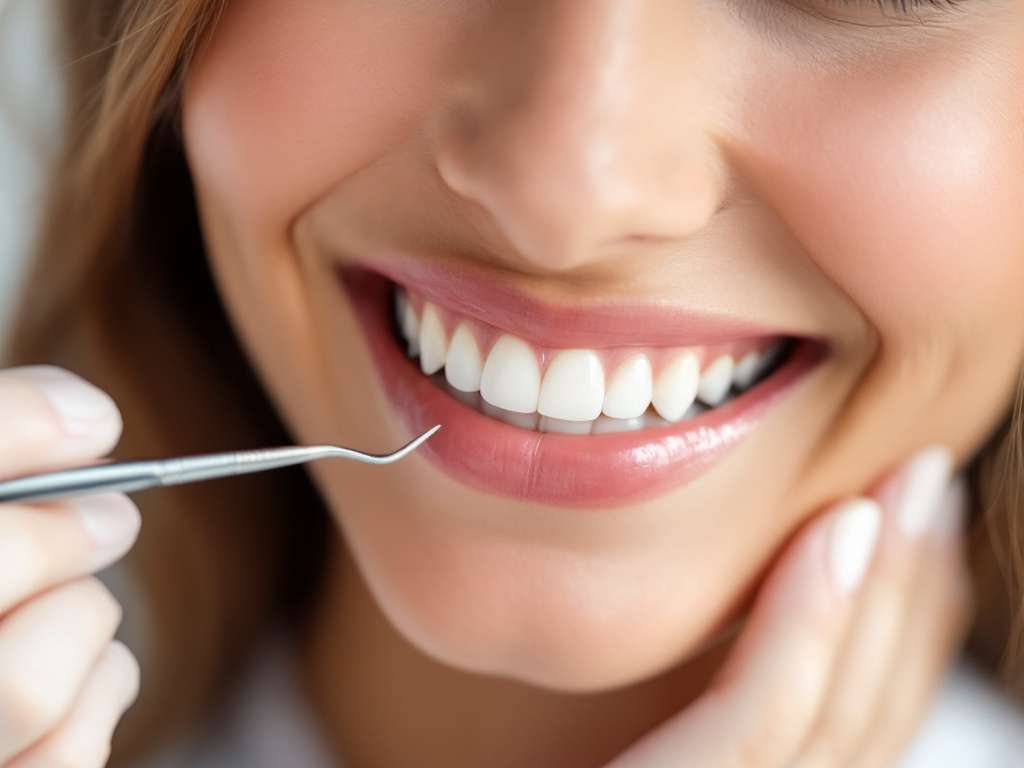
Porcelain veneer placement offers a transformative solution in cosmetic dentistry, allowing you to conceal chips, cracks, gaps, and discoloration by covering only the front surfaces of your teeth. With custom-made porcelain restorations that mimic the natural translucency and shade of enamel, you can achieve a harmonious, confident smile. This article guides you through the porcelain veneer placement process, highlights key benefits, explains recovery and aftercare, breaks down costs and financing, and helps you choose the right provider for your smile enhancement journey.
Porcelain veneer placement process
Consultation stage
During your initial consultation, your dentist evaluates your oral health, discusses your smile goals, and determines whether porcelain veneers are the best option. This visit typically includes:
- Oral exam and gum assessment
- X-rays or 3-D imaging to check tooth structure and supporting bone [1]
- Photographs and wax or digital mock-ups to preview your new smile [2]
- Discussion of alternative treatments, such as dental bonding service or cosmetic dental crowns
Your dentist also reviews costs, insurance considerations, and payment plans, ensuring you have a clear understanding before moving forward.
Preparation stage
At the second visit, your teeth are prepared for veneer placement:
- Enamel removal: A thin layer (usually 0.3–0.7 mm) of enamel is gently trimmed under local anesthesia to create space and a roughened surface for better adhesion
- Impressions: Precise molds or digital scans are taken and sent to a dental lab for custom veneer fabrication [3]
- Shade selection: You and your dentist choose the ideal color using a shade guide, ensuring a seamless match with adjacent teeth
- Temporary veneers: Provisional restorations protect your prepared teeth while your permanent veneers are crafted
This appointment generally lasts 1–2 hours, depending on how many teeth you’re prepping.
Placement stage
Once your custom porcelain veneers arrive—usually within one to two weeks—you’ll return for bonding:
- Removal of temporary veneers and thorough tooth cleaning
- Trial fitting to check shape, color, and bite alignment
- Etching of the tooth surface with an acidic gel to enhance bonding
- Application of dental cement under each veneer, cured with a special light
- Final adjustments and polishing for natural function and appearance
After cementation, you can resume normal eating and speaking immediately once anesthesia wears off.
Summary of appointments
| Stage | Visits | Duration per visit | Key steps |
|---|---|---|---|
| Consultation | 1 | 30–60 minutes | Exam, imaging, mock-ups, treatment planning |
| Preparation | 1 | 1–2 hours | Enamel reduction, impressions, temporaries |
| Permanent bonding | 1 | 1–2 hours | Veneer fitting, cementation, bite adjustment |
Smile enhancement benefits
Aesthetic improvements
Porcelain veneers conceal a range of imperfections:
- Chips and cracks
- Discoloration and stains
- Small gaps and uneven spacing
- Mild misalignment of front teeth
By covering only the front surfaces, veneers preserve healthy tooth structure and deliver a dramatic smile makeover that looks and feels natural, boosting your self-confidence [4].
Natural appearance and confidence
High-quality porcelain mimics the light-reflecting properties of real enamel. Because veneers are custom-shaded and contoured, they blend seamlessly with surrounding teeth. Many patients report improved self-esteem and social ease once they reveal their new smile in everyday life.
Durability and stain resistance
Porcelain is highly resistant to staining from coffee, tea, and red wine compared with natural enamel. With proper care, your veneers can maintain their luster for 10 to 15 years or longer [5]. Their durability makes them a sound investment in your long-term smile aesthetics.
Minimal invasiveness
Unlike crowns that require significant tooth reduction, veneers typically involve minimal enamel removal, preserving more of your natural tooth. In some cases, ultra-thin porcelain laminate veneers (such as Lumineers®) can be applied without any enamel removal, allowing for a reversible cosmetic solution [5].
Recovery and aftercare
Immediate post-placement care
Right after bonding, you may experience mild tenderness and temperature sensitivity that subsides within 24 to 48 hours [6]. To aid recovery:
- Use over-the-counter pain relievers as needed
- Stick to a soft-food diet for the first day or two
- Avoid very hot or cold foods until sensitivity decreases
Managing sensitivity and discomfort
Temperature sensitivity can last up to two weeks. You can manage discomfort by:
- Applying sensitivity toothpaste morning and night
- Rinsing with lukewarm, alcohol-free mouthwash
- Avoiding extreme-temperature beverages
If sensitivity persists beyond two weeks, contact your dentist for bite refinements or evaluation [6].
Oral hygiene tips
To maximize veneer longevity and appearance:
- Brush twice daily with a soft-bristled toothbrush using nonabrasive toothpaste
- Floss gently around the veneer margins
- Maintain six-month dental cleanings and exams [7]
- Wear a nightguard if you grind your teeth and a mouthguard for sports
These habits help prevent gum irritation, staining, and potential veneer chipping.
Cost and financing options
Price overview
Porcelain veneer costs vary by region, dentist expertise, and lab quality. In 2025, U.S. averages are:
- Single veneer: \$925–\$2,895, national average \$1,765 [8]
- Full smile makeover (6–8 teeth): \$5,700–\$24,500
Breakdown of fees
| Cost component | Percentage of total cost |
|---|---|
| Porcelain material | 20–30% |
| Lab technician and fabrication | 30–40% |
| Dentist’s expertise and overhead | 30–50% |
Insurance and coverage
Most dental insurance plans classify veneers as cosmetic and do not cover them. However, partial benefits may apply if veneers are deemed medically necessary due to severe enamel erosion or tooth damage [8].
Payment plans
To make veneers more accessible, many practices offer:
- In-house financing with low or no interest
- Healthcare credit cards featuring 0% APR promotional periods
- Use of HSAs or FSAs for pre-tax payments
- Discount dental plans providing 15–20% savings
Ask your provider about options to fit your budget and jumpstart your cosmetic smile makeover.
Choosing your provider
Evaluating expertise
Selecting a skilled cosmetic dentist is crucial. Look for:
- Accredited credentials in cosmetic or restorative dentistry
- Before-and-after galleries showcasing veneer cases
- Patient reviews emphasizing smile enhancements and comfort
A thorough cosmetic dental evaluation ensures your dentist understands your unique anatomy and cosmetic goals.
Technology and lab partnerships
Advanced tools improve precision and predictability:
- 3-D cone-beam imaging for detailed tooth and jaw analysis
- Digital smile design software to simulate outcomes [2]
- High-quality dental lab collaborations for custom shade matching and porcelain layering
Discuss whether your practice offers a smile design consultation and access to cosmetic dental imaging.
Comprehensive treatment planning
Your ideal provider integrates veneers into a holistic esthetic plan. They may combine porcelain veneers with:
- In-office whitening dental for even coloration
- Gum contouring service to optimize gum symmetry
- Veneers & bonding service to address both shape and small defects
A custom approach guarantees harmony between teeth, gums, and facial features.
Conclusion
Porcelain veneer placement offers you a minimally invasive, long-lasting way to achieve a radiant, natural-looking smile. By understanding the process—from consultation and preparation through placement and recovery—you can make informed choices that match your aesthetic goals and budget. Keep your veneers looking their best with dedicated oral care, and partner with a cosmetic dentist who employs cutting-edge technology and personalized treatment planning. Ready to transform your smile? Schedule a smile design consultation today and discover how porcelain veneers can enhance your confidence and overall oral harmony.