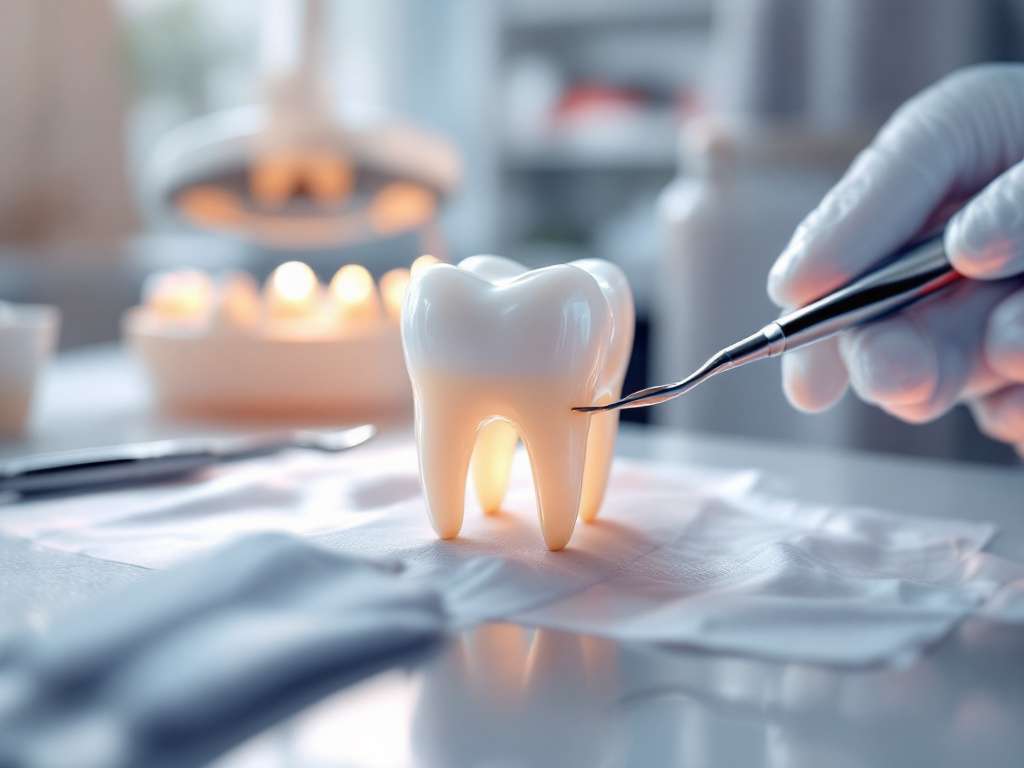
Understanding porcelain crowns
Definition and purpose
Porcelain crown restoration involves placing a custom-made cap over a damaged or weakened tooth, restoring its shape, strength, and appearance. When you choose porcelain crown restoration, you’re opting for a solution that mimics natural enamel, blending seamlessly with your smile. This treatment protects underlying tooth structure, supports large fillings, and covers teeth after root canal therapy, helping you maintain function and aesthetics.
Materials and types
Porcelain crowns come in several varieties tailored to different needs. Understanding each type helps you and your dentist select the best option.
All-ceramic crowns
All-ceramic crowns, also known as full-ceramic or porcelain crowns, closely mimic the translucency and color of natural tooth enamel. They’re ideal for front teeth and for patients with metal allergies. Zirconia crowns—a subtype of all-ceramic—offer exceptional strength and are gentle on opposing teeth, reducing enamel wear [1].
PFM crowns
Porcelain-fused-to-metal (PFM) crowns combine a metal substructure with a porcelain outer layer, offering durability and natural appearance. While strong, the porcelain coating may chip over time, potentially exposing the metal underneath and causing wear on opposing teeth [1].
Pressed ceramic crowns
Pressed ceramic crowns feature a hard ceramic core with an outer porcelain layer. They replicate enamel translucency and are used on both front and back teeth. However, similar to PFM crowns, the ceramic layers can chip away with heavy use [1].
Exploring key benefits
Natural appearance
Porcelain crowns are custom‐shaded to match your natural teeth, making them virtually undetectable. If you’re concerned about aesthetics, porcelain crown restoration delivers a lifelike finish that boosts your confidence when you smile.
Durability and strength
Modern porcelain materials, especially zirconia, can withstand normal biting and chewing forces, offering long‐lasting protection. With proper care, porcelain crowns can endure daily wear and tear, reinforcing teeth weakened by decay or trauma.
Gentle on opposing teeth
Unlike metal crowns that may abrade neighboring teeth, porcelain and zirconia crowns are kinder on opposing enamel. This feature lowers the risk of damaging adjacent teeth, preserving your overall oral health.
Biocompatibility and allergy
Porcelain crowns are metal-free, making them an excellent choice if you have metal allergies or sensitivities. Their biocompatible nature reduces the chance of allergic reactions, inflammation, or discomfort often associated with metal alloys [2].
Reviewing the restoration process
Initial consultation
Your journey begins with a thorough dental exam, X-rays, and discussion of your goals. During this visit, your dentist evaluates whether porcelain crown restoration suits your needs or if alternatives like dental implant consultation or dental bridge replacement are more appropriate.
Tooth preparation
To prepare for a porcelain crown, your dentist removes decay and shapes the tooth to create space for the restoration. If you have an existing filling, you may need tooth filling repair beforehand. Local anesthesia ensures you remain comfortable throughout this step.
Impression and design
Traditionally, dental impressions capture your tooth’s dimensions. Many practices now use CAD/CAM technology to take digital impressions and design your crown on-site [1]. This method often allows same-day fabrication and placement.
Crown fabrication
With digital scans, your dentist or in-office lab crafts the crown from a solid block of high-quality porcelain. On-site milling machines produce precise restorations that fit snugly, reducing the need for multiple visits.
Placement and adjustment
Once your porcelain crown is complete, your dentist verifies the fit, bite, and color match. Minor adjustments ensure comfortable chewing and flawless alignment. Finally, the crown is cemented into place, restoring your tooth’s function and appearance. For detailed placement techniques, see our guide on dental crown placement.
Comparing crown options
Porcelain vs metal crowns
Metal crowns—often made of gold or base alloys—are durable but lack aesthetic appeal and can wear opposing teeth. Porcelain crown restoration combines strength with natural translucency, offering a more attractive solution.
Porcelain vs resin crowns
Resin crowns are less expensive and typically used as temporary restorations, lasting three to five years on average. In contrast, porcelain crowns provide greater longevity and aesthetics, making them a preferred long-term choice [1].
Porcelain vs zirconia crowns
Zirconia crowns belong to the ceramic family but offer superior strength, withstanding heavier forces than traditional porcelain. If you grind your teeth or require back-tooth restorations, zirconia may be the most durable porcelain crown restoration option.
Assessing lifespan and care
Expected longevity
On average, porcelain crowns last five to 15 years, with proper care extending their lifespan up to 30 years. Factors such as oral hygiene, diet, and bite forces influence how long your restoration endures [1].
Maintenance tips
To protect your porcelain crown restoration:
- Brush twice daily with a soft ‑bristled toothbrush
- Floss gently around the crown margin to prevent decay
- Avoid chewing hard objects like ice or pens
- Wear a nightguard if you grind your teeth
- Schedule regular dental exams to monitor crown integrity [3]
When to replace
If you notice cracks, chips, or persistent sensitivity around your crown, consult your dentist promptly. Delaying replacement can lead to decay, infection, bite changes, or the need for more invasive procedures [3].
Evaluating patient candidacy
Ideal candidates
You may be a strong candidate for porcelain crown restoration if you have:
- Teeth weakened by large fillings or decay
- Cracked or broken teeth requiring cracked tooth repair
- Discolored or misshaped teeth impacting your smile
- Teeth that support a bridge in bridge and crown services
- A need for protective coverage after root canal & crown combo
When to avoid
Porcelain crowns may not suit you if:
- You have severe, untreated bruxism
- You lack adequate bone or gum support for a stable restoration
- Your oral hygiene habits are poor, raising decay risk under the crown
In such cases, your dentist might recommend alternative restorative dental procedures or pre-treatment to optimize outcomes.
Considering cost factors
Material influence
Different crown materials carry varying costs. Porcelain and zirconia crowns typically cost more than PFM or resin. Your dentist helps you weigh material benefits against budget considerations.
Insurance coverage
Many dental insurance plans offer partial coverage for porcelain crown restoration. Check your benefits or visit our insurance covered crowns page to understand your out-of-pocket expenses.
Long term value
Investing in a high-quality porcelain crown can reduce future repair costs by minimizing the risk of fractures, decay, and replacement visits. Consider long-term durability when comparing upfront expenses.
Reviewing risks and complications
Chipping and fractures
Although durable, porcelain can chip under heavy force or biting on hard objects. If chipping occurs, small repairs may be possible; extensive damage could require full crown replacement.
Sensitivity and discomfort
It’s common to experience temporary sensitivity after crown placement, especially to hot or cold foods. Persistent pain may indicate an improper fit or nerve irritation, warranting an evaluation [2].
Fit issues
A poorly fitted crown can lead to discomfort, chewing difficulties, and increased risk of decay at the margins. Precise digital impressions and skilled adjustments help ensure a snug, functional restoration.
Exploring alternative treatments
Dental implants
If you have a missing tooth, a dental implant topped with a porcelain crown offers a standalone restoration that preserves neighboring teeth. Consult our dental implant consultation page to learn more about this option.
Fixed bridges
Bridges anchor to adjacent teeth or implants, replacing one or more missing teeth. Porcelain crowns on the supporting teeth provide both function and aesthetics. Explore our dental bridge replacement services for details.
Inlays and onlays
For moderate decay or damage that doesn’t require a full crown, inlays and onlays restore your tooth conservatively. These partial-coverage restorations preserve more natural structure while reinforcing weakened areas.
Conclusion and next steps
Porcelain crown restoration delivers a blend of beauty, strength, and longevity that few alternatives match. By understanding your options—from all-ceramic and zirconia materials to PFM and pressed ceramic—you can make an informed choice that aligns with your oral health goals and budget.
Ready to restore your smile? Schedule a consultation with a trusted crown and bridge specialist or explore complementary services like full mouth restoration and custom denture service. If you need urgent care, our emergency dental repair team is here to help. With porcelain crown restoration, you can protect your teeth, enhance your appearance, and enjoy lasting confidence in your smile.