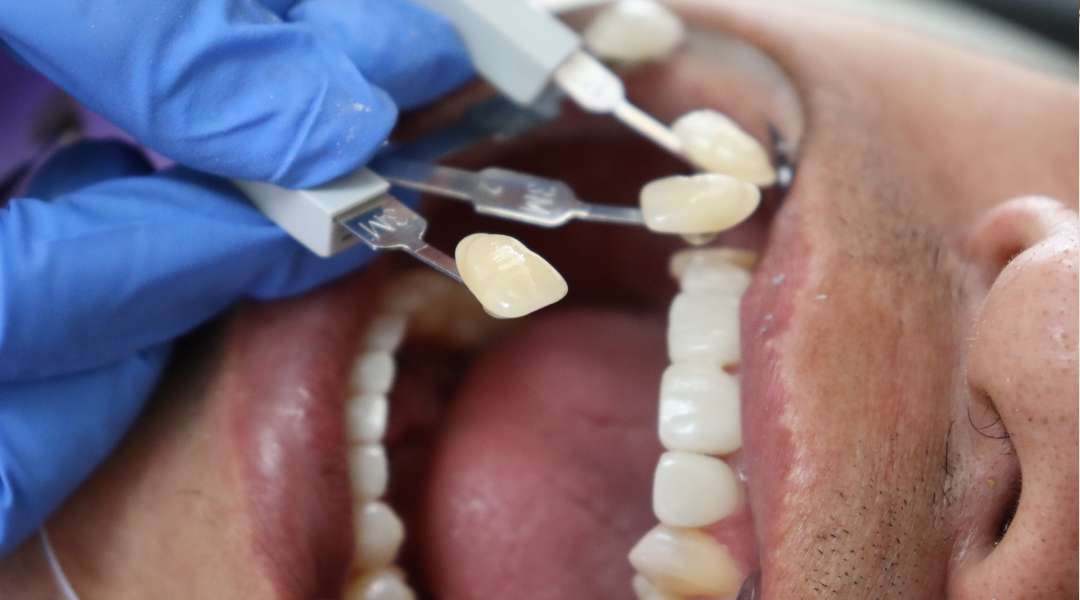
Discover cosmetic dental crowns
If you have ever looked in the mirror and wished your teeth appeared stronger, more uniform, or smoother, a cosmetic dental crown could be the solution you have been seeking. This restorative approach combines aesthetic improvements with structural reinforcement, helping you achieve a more balanced and functional smile. Crowns are carefully fashioned caps placed over damaged or weakened teeth, restoring their size, strength, and overall appearance. By covering the visible portion of a tooth, a crown helps maintain the tooth’s natural shape while protecting it from further wear or decay.
Crowns are recommended for a variety of reasons: You might have a cracked tooth that needs extra support, or you could be dealing with substantial discoloration that cannot be fixed by whitening alone. Perhaps you have received a root canal and need to safeguard the treated tooth, or maybe you are looking for a long-term way to enhance the look of your teeth beyond standard bonding or veneer treatments. In all these instances, a cosmetic dental crown can help.
Unlike traditional solutions that only address one aspect of your tooth’s condition, crowns serve a dual function. First, they shield your tooth from further damage. Second, they allow for cosmetic enhancements in color, shape, and alignment. Many crowns are now crafted from advanced ceramic or porcelain materials, which mimic the natural translucency of tooth enamel. As a result, you can smile with renewed confidence—often without anyone suspecting that your restored tooth is anything less than genuine. When combined with comprehensive dental care, crowns can contribute to your overall oral health for several years, or even decades, with proper upkeep.
Above all, deciding to get a crown is a commitment to your long-term wellbeing. By reinforcing a compromised tooth, you are avoiding future complications and potential extractions. Additionally, you are giving yourself the opportunity to improve your smile in a way that can boost your self-image. Whether you simply want a minor cosmetic upgrade or need a solution for a deeper structural issue, it is worth taking the time to learn about the full spectrum of benefits.
Recognize the key benefits
Understanding the potential advantages of crowns can help you determine if this path aligns with your dental goals. Some of the key benefits include:
- Strengthening weakened teeth: A severely worn-down or compromised tooth often needs additional support. A crown can effectively wrap around it, preventing fractures and preserving natural tooth structure.
- Improving aesthetics: If you have a misshapen or discolored tooth, a carefully designed crown can match the size and hue of surrounding teeth, restoring overall harmony to your smile.
- Supporting overall oral function: By providing a stable biting surface, crowns help ensure that each tooth can handle normal chewing pressures. When a damaged tooth is left unprotected, it can lead to bite misalignment and jaw discomfort.
- Covering implants and root canals: A crown is frequently used to cap a dental implant or a tooth that has undergone a root canal. According to the Cleveland Clinic, crowns are tooth-shaped caps that restore decayed, broken, weak, or worn-down teeth, enhancing both function and appearance (Cleveland Clinic).
- Enhancing comfort and confidence: A crown can eliminate the sensitivity or discomfort caused by worn enamel or large fillings. When your tooth is fully protected, you will likely experience less pain, making it easier to speak, smile, and enjoy your favorite foods.
By focusing on both functionality and appearances, crowns are a more comprehensive option compared to simple fillings or bonding. If you resonate with any of the points above—such as wanting to reinforce a vulnerable tooth or enhance the overall look of your teeth—investigating a cosmetic dental crown in more depth can be an excellent next step.
Explore common materials
One of the most important decisions when receiving a crown is selecting the material that best suits your needs, preferences, and overall oral health. The choice typically depends on stability requirements, aesthetic goals, and potential allergies. Each material offers a unique balance of benefits, and understanding them can help you work with your dentist to pick the right option.
Below is a brief overview of commonly used materials:
| Crown Material | Durability | Aesthetics | Special Considerations |
|---|---|---|---|
| Metal (Gold, Alloys) | Extremely durable | Noticeable metallic color | Minimal tooth preparation required |
| Porcelain-fused-to-metal | Very strong | Natural color, though can darken near gumline | Potential for metal allergy; gum recession may expose metal |
| All-ceramic or porcelain | Durable but less so than metal | Closely matches tooth enamel | Ideal for front teeth, suitable for metal allergies (Cleveland Clinic) |
| Zirconia | Highly durable | More opaque, can be layered with porcelain | Typically CAD/CAM-designed, strong but less translucent |
| All-resin | Budget-friendly | Can be colored to appear natural | Less durable, more prone to wear |
- Metal crowns can withstand biting forces very well, making them a good choice for back teeth. They often require minimal removal of the existing tooth structure, preserving more of your natural tooth.
- Porcelain-fused-to-metal (PFM) crowns provide the strength of metal with a tooth-colored coating. However, with gum recession over time, the metal edge may become visible.
- All-ceramic or all-porcelain crowns are often sought for teeth in visible areas, such as the front, because they reflect light in a manner very similar to natural enamel. They are also recommended for individuals with metal sensitivities.
- Zirconia is known for its impressive durability and is used as a base material in certain all-ceramic restorations. It is digitally milled and can be layered with porcelain for a balanced appearance.
- All-resin crowns are less costly but tend to wear down sooner. They are typically utilized as a more short-term or budget-friendly option.
When choosing your crown, keep in mind factors like tooth position, bite pressure, your desired longevity, and your personal budget. A back molar that endures more force during chewing might require a more robust material like gold or zirconia, whereas a highly visible front tooth might benefit from the natural-looking properties of porcelain or ceramic. If you have known metal allergies, an all-ceramic option could be your best path.
Understand the procedure steps
The process of getting a crown usually unfolds over two visits, though same-day crowns have become increasingly common due to advances in dental technology. Understanding each step can help you feel more at ease about the procedure and what to expect.
- Assessment and preparation
Your dentist begins by examining the tooth’s condition to make sure a crown is the best option. They may take X-rays to assess how much natural tooth structure remains and to check for potential issues like underlying decay or nerve damage. If you need preliminary treatments—such as root canal therapy or a large filling—these are completed before your crown preparation. - Tooth shaping and impressions
During the first appointment, your dentist will remove a thin layer of enamel to make room for the crown. Although this might sound daunting, it is a carefully controlled process that ensures a secure fit. Next, your dentist takes an impression (either physical or digital) of the prepared tooth. This impression is used to create a customized crown that matches your specific bite. - Temporary crown placement
While your permanent crown is being fabricated—either at an off-site lab or through in-office CAD/CAM technology—a temporary crown is placed to protect the prepared tooth. According to Dr. Gregory Hillyard, the crown process can take two to three weeks if it is being made in a lab (Dr. Gregory Hillyard). This temporary covering helps you maintain basic function and comfort until your final crown is ready. - Permanent crown fitting
During your second visit, your dentist will remove the temporary crown and position the permanent crown over your tooth. They will make any necessary adjustments for bite alignment and comfort before cementing or bonding it into place. - Aftercare and follow-up
It is normal to experience slight sensitivity or tenderness in the gums once your new crown is placed. Monitoring this sensitivity is essential, as it typically subsides within a few days. Additionally, you will be encouraged to schedule check-ups to ensure the crown remains in good condition.
Some practices offer same-day crowns through CAD/CAM technology. Using digital impressions, your dentist can design and mill a ceramic crown on-site, often allowing you to walk out with a permanent crown in one appointment (Cleveland Clinic). While this approach saves time, it may not be suitable for every patient, especially if more extensive preparation is needed or if your tooth requires a specific type of material that is not available in same-day formats.
Manage potential risks
As with any dental procedure, crowns come with a few considerations. Fortunately, the majority of patients experience no major complications. However, being aware of potential issues can help you stay informed and proactive:
- Allergic reactions: Some individuals have sensitivities to metals or other materials used in crowns. According to Orchard Cottage Dental, allergic responses may appear as inflammation or discomfort (Orchard Cottage Dental). If you know you have a metal allergy, be sure to discuss this with your dentist before deciding on a crown material.
- Post-placement sensitivity: It is not uncommon to feel heightened sensitivity right after placement. Hot or cold foods and drinks might briefly trigger discomfort, but this is usually temporary.
- Decay at the crown margin: Bacteria can accumulate at the border where your crown meets your natural tooth. Regular brushing, flossing, and timely check-ups are essential to catch and address potential decay early on.
- Excessive force or grinding: Crowns made from porcelain or ceramic can chip if you have a habit of grinding your teeth. A night guard may be recommended if you clench or grind, protecting both your crown and other teeth from unnecessary wear.
- Poorly fitted crowns: An ill-fitting crown can result in bite misalignment, chewing discomfort, and even jaw issues. If you notice persistent discomfort or difficulty biting, contact your dentist for an evaluation.
Remember that each risk also has a corresponding solution. Allergies can be managed with alternative materials, sensitivity can be relieved through desensitizing toothpaste or follow-up care, and decay risk can be reduced through consistent dental hygiene. By choosing a skilled dental team and properly looking after your teeth, you can keep potential complications to a minimum.
Maximize crown longevity
Once your crown is in place, your number-one priority is preservation. While the average lifespan of a crown can be between five and 15 years, some have been known to last 30 years or more with diligent care (Cleveland Clinic). Here are strategies to help you extend the life of your restoration:
- Practice good oral hygiene: Brush at least twice a day with a soft-bristled toothbrush and fluoride toothpaste, and floss daily to remove plaque buildup around the crown margin.
- Schedule regular check-ups: Professional cleanings and examinations allow your dentist to spot any early signs of decay or potential fit issues with your crown.
- Avoid hard or sticky foods: Chewing ice, pen caps, or hard candies can put excessive stress on your crown. Similarly, sticky candy can tug at the edges and weaken the bonding cement.
- Address grinding or clenching: If you have bruxism, consider a night guard fabrication. This simple device can help prevent unnecessary wear and tear.
- Monitor for changes: If you notice changes in your bite, persistent sensitivity, or pain, contact your dentist right away. Early intervention can prevent more significant complications down the road.
By focusing on these factors, you give your crown, and the tooth beneath it, the best chance at lasting health. Not only do these steps protect your investment, they also support your overall oral wellness, reducing the need for additional procedures in the future.
Consider modern technology
Dentistry has made significant advancements in recent years, providing innovative ways to craft crowns more efficiently and accurately. With technologies like digital impressions and computer-aided design and manufacturing (CAD/CAM), you can benefit from:
- Precise fitting: The shape, height, and bite alignment of your crown can all be fine-tuned to reduce discomfort and ensure a natural feel.
- Faster turnaround: Same-day crowns eliminate the waiting period associated with traditional methods, potentially saving you from multiple weeks of wearing a temporary crown.
- Comprehensive services: Many modern dental practices, like Carolina Complete Dentistry, bring together advanced imaging tools, sedation dentistry if needed, and an extensive array of treatments under one roof to reduce appointment times and enhance comfort.
In addition, consider working with practices that integrate broader cosmetic or restorative techniques. You might choose to complement your crown with services like a porcelain veneer placement or teeth whitening treatment for a more unified smile makeover experience. The point is to select a dental team that tailors modern technology to your unique needs, ensuring you receive the best combination of effectiveness, convenience, and comfort.
Choose Carolina Complete Dentistry
When you or a loved one is weighing options for cosmetic, restorative, or general dental care, partnering with a trusted provider is a major step toward quality outcomes. Carolina Complete Dentistry stands out by offering an industry-leading approach to high-tech, full-spectrum dental services, all while prioritizing your comfort and long-term oral health. Here is what you can expect:
- Personalized care: Your dental history, aesthetic goals, and overall wellness guide each aspect of your treatment. We take the time to digest your concerns, helping you navigate the choice to get a cosmetic dental crown and any related enhancements that may boost your confidence.
- Innovative technology: Our team uses advanced diagnostic tools, digital impressions, and materials that closely replicate natural enamel. This attention to detail significantly improves the likelihood of accurate fittings and long-lasting results.
- Flexible options: Beyond crowns, you will discover a full range of services for every stage of life, from cosmetic smile makeover strategies to adult teeth straightening. If you are seeking to protect your investment, we also have dentistry payment plans and a membership dental plan that can make the entire process more manageable.
- Holistic approach: Your comfort and peace of mind are central to our mission. If you are feeling apprehensive, our sedation dentistry service can help you relax. We consistently strive to create a warm, empathetic space where you feel supported.
By merging an empathetic tone with authoritative expertise, our team fosters an environment that values your total wellbeing. Whether you need a single crown or want to explore other restorative treatments like a tooth implant placement, you can expect quality care that focuses on achieving and maintaining the smile you desire.
Address frequently asked questions
Below are five of the most common questions associated with a cosmetic dental crown. Understanding these queries can clarify your decision-making and help you prepare for the procedure.
1. How do I know if I need a cosmetic dental crown?
You may need one if your tooth is significantly weakened, broken, or discolored, and if simpler measures—such as fillings or in-office whitening—cannot achieve the result you are aiming for. A thorough evaluation with your dentist will confirm whether a crown is the best solution for structural and cosmetic needs.
2. Is getting a crown painful?
In most cases, you will only experience minimal discomfort. Your dentist will use local anesthesia to numb the area during enamel reduction and tooth preparation. If dental anxiety is a concern, you can discuss sedation options. Temporary sensitivity is normal afterward but typically subsides within a few days.
3. How much do they cost, and does insurance cover them?
The cost for a crown can range widely, from a few hundred dollars for a resin-based crown to for high-end porcelain or zirconia crowns. Many insurance plans cover a portion of the expense, especially if the crown is considered medically necessary. It is best to talk with your dentist and insurance provider about your coverage. Carolina Complete Dentistry also offers dentistry payment plans and a membership dental plan that could reduce out-of-pocket costs.
4. Can I whiten my crown after placement?
Crowns do not respond to whitening agents in the same way as natural teeth. If you are interested in a brighter overall appearance, discuss whitening before finalizing your crown shade. This way, your dentist can match the crown to your newly whitened teeth and ensure uniform coloration.
5. How long do crowns typically last?
With proper care—daily brushing, flossing, and routine check-ups—crowns often last between five and 15 years. Some can remain functional for decades. Avoid biting into extremely hard objects and address any teeth grinding or jaw-clenching habits to prolong your crown’s lifespan.
Take the next step
Opting for a cosmetic dental crown can be an empowering decision that restores the integrity of your tooth and enhances your smile’s overall look. Above all, this investment in your oral health may help you avoid more extensive procedures later. Whether you need to fix a single tooth or are looking to improve multiple aspects of your grin, working with a well-equipped dental team can streamline the process.
Carolina Complete Dentistry welcomes you to learn more about our holistic approach. We tailor every aspect of your care to meet your unique preferences and oral health goals. If you are interested in customizing your smile further, you can also explore other options such as dental bonding service, esthetic dental treatment, or teeth whitening treatment. Our considerate staff is here to guide you, answer any lingering questions, and help you weigh the pros and cons of each treatment.
We understand that each patient’s journey is personal, requiring a balance of aesthetic goals, budgetary needs, and safety considerations. That is why we support you with personalized consultations, expert guidance, and leading technology, all within a caring environment. If you are ready to discuss your next move or want more details on our membership plans and financing options, contact us. We look forward to partnering with you on a path toward a stronger, more confident smile—one that aligns with both your vision and long-term health.