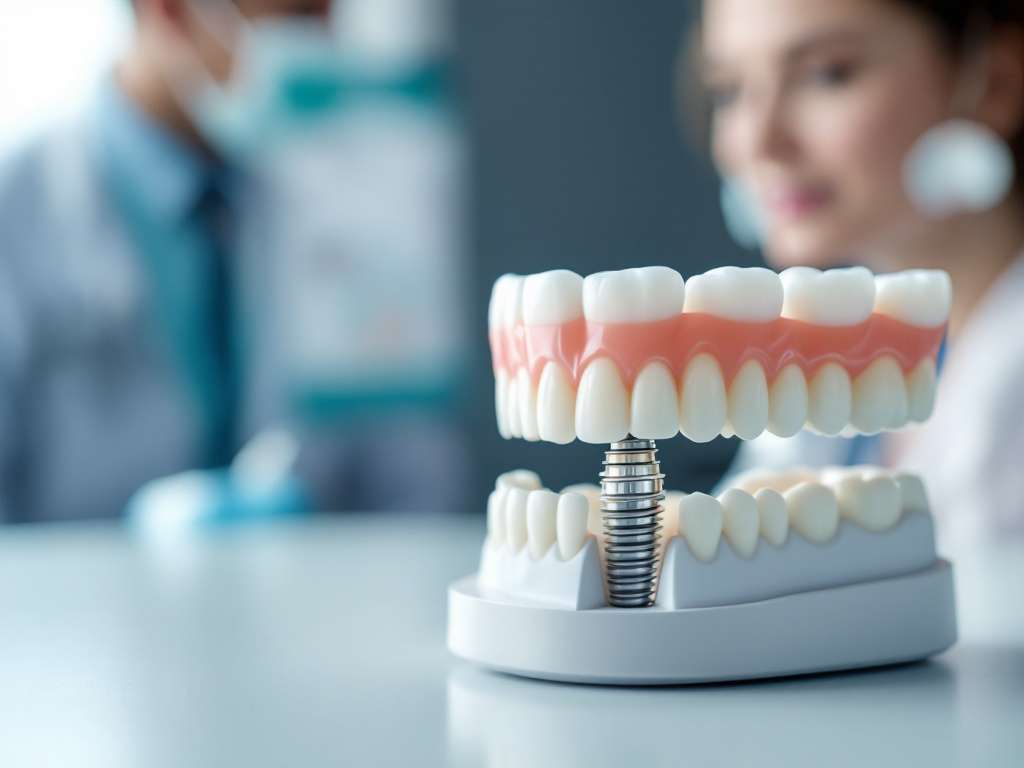
Understanding implant restorations
Tooth implant restoration services replace missing teeth with a durable solution that mimics natural feel and function. A dental implant restoration involves placing a titanium post into your jawbone before adding an abutment and a prosthetic such as a crown, bridge, or denture [1]. This method offers long-term durability, preserving your bite force and preventing the bone loss that often follows tooth extraction.
The restoration process has two main phases. First, the implant post serves as an artificial root, integrating with bone over several months. Once healed, the abutment connects the implant to your final restoration—whether a single crown or a full arch prosthesis. Materials vary from porcelain to zirconia, each selected to match your aesthetic goals and functional demands.
Beyond aesthetics, implants support jawbone health by transferring chewing forces into the bone, stimulating tissue and preventing resorption [2]. With a success rate above 95 percent, implants are a reliable choice for one or more missing teeth [3]. By choosing implant restoration, you invest in a solution that rivals natural teeth in comfort and longevity.
Evaluating candidacy factors
Before you commit to tooth implant restoration services, it’s important to confirm you’re a good candidate. Several factors influence your eligibility and the need for preparatory procedures:
- Adequate jawbone density and volume to ensure implant stability
- Overall oral health, including healthy gums free of active periodontal disease
- General medical history, with controlled conditions such as diabetes or heart disease
- Lifestyle habits, including non-smoking or willingness to quit before and after surgery
- Age and healing capacity to support osseointegration
- Commitment to oral hygiene and regular follow-up appointments
If your jawbone lacks sufficient density, you may require bone graft dental surgery to build up the site. Your implant dentist will review your health history, perform imaging studies, and discuss any medications or habits that could affect healing.
Preparing for surgery
Your journey begins with a comprehensive consultation. During this visit, the specialist will evaluate your medical and dental history, perform a thorough oral examination, and take 3D scans or X-rays to map your jaw anatomy. This step ensures accurate planning and highlights the need for adjunct procedures like bone graft dental surgery.
You’ll also discuss sedation options to make the procedure comfortable. For many patients with dental anxiety, sedation dentistry services or iv sedation dental care can turn an intimidating experience into a relaxed one. A preoperative review will cover fasting requirements, medication adjustments, and post-procedure support.
By preparing this way, you minimize surprises and set realistic expectations for your timeline and recovery. A clear plan is especially crucial if you’re combining implants with procedures such as all-on-4 implant procedure or complex bone grafting, ensuring each phase proceeds smoothly.
The placement process
On surgery day, you’ll receive local anesthesia or your chosen sedation method. The implant post is inserted into a precisely prepared osteotomy site in your jawbone. In many cases you can return home the same day, with recovery guidelines that typically include a soft diet and gentle oral hygiene.
As the implant integrates—a process called osseointegration—it becomes a stable foundation. This healing phase usually takes three to four months, depending on your bone quality and the number of implants placed [3]. During this time, you’ll follow dietary restrictions, avoid strenuous activity, and use antimicrobial rinses as instructed.
Most patients resume normal activities within two weeks, though some swelling or discomfort can persist. Over-the-counter pain relievers and ice packs help manage symptoms. Your surgeon will schedule follow-up visits to monitor healing and ensure the implant is integrating properly.
Restoration and abutment phase
Once osseointegration is complete, the next phase begins with placement of the abutment. This small connector piece anchors your final prosthesis to the implant. Depending on your case, the abutment may be placed in a minor second surgery, or in some systems it’s attached at the time of implant placement.
After your gums heal around the abutment, impressions are taken for your custom restoration. Whether you choose a single crown, a bridge spanning multiple implants, or overdentures, the goal is a seamless match to your remaining teeth. Modern implant crowns are crafted from materials like porcelain fused to zirconia, offering both strength and natural translucency.
With advances in digital scanning and CAD/CAM fabrication, many patients need only two visits for scanning and delivery of the final crown [3]. The result is a restoration that looks and feels like your natural tooth.
Full arch restoration options
If you require a full arch replacement, several implant restoration strategies exist. Below is a comparison of popular options to help you understand which fits your needs:
| Option | Description | Ideal candidate |
|---|---|---|
| All-on-4 | Four implants support a full arch prosthesis | Patients seeking fixed, permanent restoration with fewer implants |
| Implant supported dentures | Removable denture snaps onto multiple implants | Those prioritizing hygiene access and lower initial cost |
| Zirconia full arch | Monolithic zirconia bridge on multiple implants | Patients desiring high strength and minimal fracture risk |
| Acrylic hybrid bridge | Acrylic teeth on a metal substructure anchored by implants | Budget-conscious candidates who want fixed restoration |
Each approach balances cost, comfort, and maintenance requirements. For example, all-on-4 implant procedure minimizes the number of implants needed, while implant supported dentures offer easier cleaning at the expense of a removable solution. Your specialist in full mouth implant restoration will guide you through these choices based on your bone volume, aesthetic goals, and lifestyle.
Sedation and comfort measures
Sedation plays a vital role in making implant surgery comfortable. Options range from mild oral sedatives to intravenous sedation, tailored to your anxiety level and procedure complexity. If you’re nervous about needles or dental sounds, sedation for anxious patients or sedation & implant dentistry can help you relax without losing consciousness.
Your provider may recommend local anesthesia combined with intravenous sedation to manage both pain and anxiety. This approach ensures you remain comfortable while allowing the surgical team to communicate easily. After surgery, sedation effects wear off within a few hours, and most patients feel minimal discomfort thanks to modern techniques and effective pain management protocols.
By discussing your sedation preferences in advance, you gain confidence and control. Whether you choose moderate sedation or full IV sedation, your dental team will monitor vital signs throughout, ensuring safety and a positive experience [4].
Postoperative care and healing
Proper aftercare is crucial for successful osseointegration and restoration longevity. In the first 48 hours, focus on gentle cleaning around surgical sites. Rinse with a saltwater solution or prescribed antimicrobial rinse, and avoid brushing directly on the implant.
Stick to a soft-food diet, including yogurt, soups, and smoothies, gradually returning to firmer foods as comfort allows. Avoid chewing directly on the implant side until healing is confirmed. Ice packs applied intermittently can reduce swelling, while over-the-counter ibuprofen or acetaminophen helps control discomfort.
Attend all follow-up appointments so your oral surgeon can assess healing and remove any stitches if necessary. If you develop fever, excessive bleeding, or persistent pain, contact your oral surgery implant clinic immediately.
Maintenance and longevity
After restoration completion, caring for implants closely mirrors natural tooth care. Follow these daily practices to ensure your investment lasts:
- Brush gently twice a day with a soft-bristle toothbrush
- Floss around implants using specialized floss or interdental brushes
- Use an antimicrobial mouthwash to reduce biofilm
- Schedule professional cleanings and exams every three to six months
By committing to this routine, you can expect your dental implants to function for decades. Even if a restoration requires repair, the underlying implant rarely fails thanks to its high success rate. For detailed guidance, explore our implant care and maintenance resource.
Cost and financing options
The cost of tooth implant restoration services depends on several variables, including the number of implants, type of restoration, need for grafting, and sedation choices. On average, a single dental implant in the United States costs about $4,159, which covers the titanium post, abutment, and crown but excludes grafting or extractions [5]. In major cities such as Beverly Hills, a full mouth restoration can range from $15,000 for modest acrylic solutions to $80,000 for comprehensive zirconia-based treatments [6].
Porcelain crowns and veneers integrated into implants typically cost between $400 and $2,500 per tooth, while implant posts range from $500 to $2,000. Additional fees may arise from bone grafts, sinus lifts, sedation services, and imaging. Many practices offer financing plans, third-party lending, or in-office payment options to make treatment accessible. Dental insurance may cover a portion of the restoration, so verify your benefits with your provider.
Discuss costs transparently with your specialist. A detailed estimate should break down surgical fees, prosthetic design, lab work, and follow-up visits. This clarity helps you plan financially and avoid unexpected expenses.
Choosing your specialist
Selecting the right clinician is key to a smooth implant restoration experience. Look for a practitioner with advanced training in complex restorative dentistry or an implant restoration dentist who routinely performs full arch and single-tooth cases. Credentials from implant organizations and affiliations with advanced training programs signal a commitment to excellence.
During your implant dentist consultation, ask about:
• The number of implants and full arch restorations they’ve placed
• Their approach to bone grafting and collaboration with an implant and bone graft specialist if needed
• Use of digital planning tools such as guided surgery
• Available sedation options including sedation & implant dentistry
Tour the oral surgery implant clinic to see their technology, sterility protocols, and patient comfort measures. Reading testimonials and before-and-after galleries can also help you gauge outcomes. By choosing a team with the right expertise, you ensure your tooth implant restoration services deliver a natural look, reliable function, and lasting confidence.
References
- (Oak Street Family Dental)
- (About Dental Care)
- (Precision Dentistry of Williamsburg)
- (iv sedation dental care)
- (Aspen Dental)
- (Perfect White Smile)