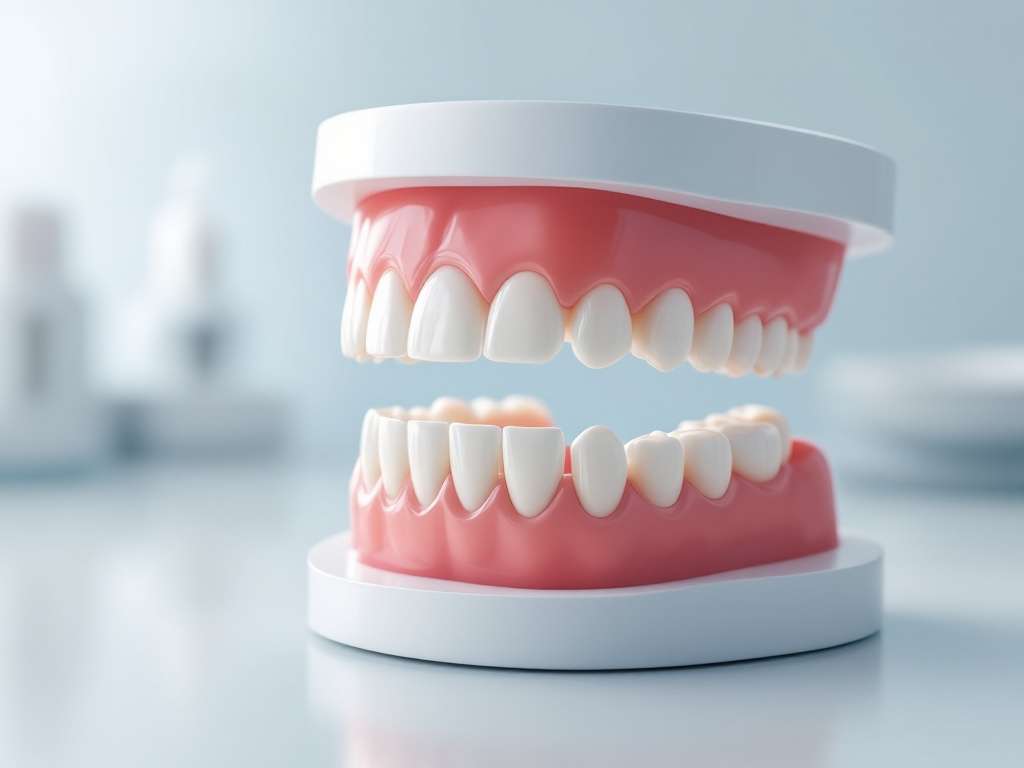
Understanding full mouth implant restoration
Full mouth implant restoration offers a comprehensive solution for replacing all of the teeth in your upper or lower jaw with a permanent set of implants and prosthetic teeth. This advanced dental treatment simulates the look and feel of natural teeth, eliminating the rocking and gum irritation associated with removable dentures [1]. By anchoring new teeth to surgically placed titanium posts, you gain stability and comfort that traditional dental appliances cannot match.
Unlike conventional dentures, this procedure does not cover your palate, allowing for a more natural speaking and eating experience [1]. The implants act like artificial tooth roots, supporting a fixed arch of crowns that stays in place, enabling normal oral function without the risk of slipping. With full mouth implant restoration, you can restore chewing efficiency and regain confidence in your smile long term.
Assessing candidate suitability
Before moving forward, it is essential to determine whether full mouth implant restoration fits your dental needs. This procedure demands adequate bone volume, good overall health, and a commitment to follow-up care.
Evaluating oral health
Candidates often have multiple missing teeth, failing restorations, or severely worn and broken teeth due to bruxism, decay, or trauma. You may also experience complications from congenital disorders such as Ectodermal Dysplasia or Dentinogenesis Imperfecta [2]. A thorough oral exam and radiographic imaging will reveal any decay, gum disease, or jawbone deterioration that must be addressed before implant placement.
Assessing bone quality
Successful implant osseointegration hinges on sufficient jawbone density and volume. In cases of advanced bone loss, you may require bone graft dental surgery to build a stable foundation for implants [3]. Your implant and bone graft specialist can evaluate your bone through 3D scans and determine if grafting or sinus lifts are necessary, ensuring long-term implant stability.
Considering medical history
Full mouth implant restoration is a surgical procedure, so your overall health must support healing. Conditions such as uncontrolled diabetes, heavy smoking, or autoimmune disorders can affect osseointegration and recovery. An oral health care team will review your medical records and may recommend coordinating with your primary physician to optimize your health before surgery.
Exploring treatment benefits
Choosing full mouth implant restoration unlocks advantages you cannot achieve with removable or partial prosthetics.
Improved chewing and speech
Fixed implant arches restore up to 90 to 95 percent of your natural bite strength, allowing you to eat a wider variety of foods with confidence [4]. Unlike dentures, implants remain firmly anchored, so you can speak clearly without fear of slippage or clicking sounds.
Natural appearance and comfort
Each prosthetic tooth is custom designed to match your facial structure, skin tone, and personal style, delivering a lifelike smile that blends seamlessly with any remaining natural teeth [5]. The absence of a bulky acrylic palate means your tongue and soft tissues can move naturally, enhancing both comfort and taste perception.
Preserving jawbone health
Full mouth implants stimulate bone growth through osseointegration, where new bone forms around the titanium posts. This process helps prevent the sunken facial appearance caused by long-term bone loss and supports ongoing jaw health [1]. By maintaining bone density, implants help protect your facial structure and reduce the risk of further deterioration.
Comparing restoration options
When considering a full arch solution, you have several implant protocols and alternative treatments to weigh. The table below summarizes the main choices you may encounter.
| Treatment option | Number of implants | Average cost per arch | Advantages | Considerations |
|---|---|---|---|---|
| All-on-4 implant procedure | 4 | $25,000–$30,000 | Immediate function, minimal grafting | Not ideal for severe bone loss |
| All-on-6 implant procedure | 6 | $30,000–$35,000 | Increased support and stability | Higher surgical complexity |
| All-on-8 implant procedure | 8 | $35,000–$45,000 | Maximum chewing efficiency | Longer recovery, higher cost |
| Implant supported dentures | 4–8 | $20,000–$40,000 | Removable for cleaning, lower cost | May shift, less natural feel |
| Traditional full dentures | 0 | $1,000–$5,000 | Lowest upfront cost | Bone loss, discomfort, adhesives |
Walking through the procedure
Understanding each phase of full mouth implant restoration helps set realistic expectations and ensures you feel prepared at every step.
Consultation and planning
Your journey begins with an implant dentist consultation, clinical exams, and 3D imaging to map your jaw anatomy and plan implant placement precisely. This is also the stage to discuss sedation dentistry services and address any anxieties you may have.
Surgical and grafting phase
During surgery, extractions of failing teeth are performed and bone graft dental surgery is completed if needed. Bone grafts strengthen areas of deficient bone to support implants, integrating over several months to form a stable base.
Implant placement and healing
Once your jawbone is ready, titanium posts are surgically inserted. You may receive a provisional bridge to restore function immediately after implant placement, particularly with the all-on-4 implant procedure. The osseointegration period that follows typically lasts three to six months, during which bone grows around the implants, securing them firmly in place.
Final prosthesis placement
After successful osseointegration, your custom implant crowns or bridges are attached to abutments. Implant crown placement follows digital impressions to ensure a perfect fit and natural bite. At this point, you have a fixed, permanent arch designed for optimal function and aesthetics.
Managing discomfort with sedation
Sedation can transform your surgical experience, making complex restorative dentistry more comfortable and stress free. Discuss these options with your sedation & implant dentistry team:
- Nitrous oxide sedation provides mild relaxation, wears off quickly, and allows you to drive yourself home.
- Oral sedation uses prescription medication to induce a deeper sense of calm before surgery.
- IV sedation dental care delivers medication directly into your bloodstream for precise control over sedation levels.
- General anesthesia is rarely needed but may be recommended for lengthy or particularly complex cases.
Understanding costs and financing
Full mouth implant restoration is a significant investment in your health and quality of life. As of 2024, comprehensive treatment for both arches in the United States typically ranges from $30,000 to $100,000 depending on implant number, materials, and grafting needs [6]. Per-tooth costs can range from $3,000 to $5,000, while dental crowns vary between $500 and $3,000 each.
Treatments in dental tourism destinations like Turkey can cost as little as $3,500 to $6,000 per arch, offering a budget-friendly option compared to U.S. prices [7]. Keep in mind travel and accommodation expenses and ensure you choose a qualified provider.
Many practices offer flexible payment plans, medical credit cards, or in-house financing to help you manage upfront costs. Be sure to verify your insurance coverage, as many plans cover only part of the procedure or exclude cosmetic components.
Considering risks and complications
As with any surgical intervention, you should be aware of potential complications. Infection at the implant site, implant failure due to inadequate osseointegration, nerve injury, or sinus issues can occur but are relatively rare. Smoking and uncontrolled medical conditions increase these risks. Your oral surgery implant clinic will provide detailed aftercare instructions to minimize complications and promote healing.
Ensuring long-term success
Successful full mouth implant restoration depends on diligent maintenance and routine care.
Daily oral hygiene
Brush twice daily with a soft brush and low-abrasive toothpaste, and floss around implant posts to remove plaque. An antibacterial mouthwash can help control bacterial buildup.
Regular follow-up care
Schedule professional cleanings and exams every three to six months. Your implant restoration dentist will monitor bone levels and soft tissue health to catch any issues early.
Lifestyle adjustments
Avoid hard foods that could damage your prosthesis, and consider quitting smoking to protect bone health. Maintaining a balanced diet rich in calcium and vitamin D supports jawbone maintenance.
Weighing alternative treatments
While full mouth implant restoration offers unparalleled stability, other options may suit your circumstances:
You might consider implant supported dentures for improved retention over traditional dentures but with the ability to remove your appliance for cleaning. Fixed bridges anchored on fewer implants can be less invasive but may place higher stress on supporting posts. Onlays, crowns, and veneers can address localized issues when full arch replacement is unnecessary [2].
Discuss these alternatives with your treatment team to find the best match for your health needs and budget.
Selecting your dental team
Choosing the right professionals is crucial for a positive outcome:
Look for board-certified implant specialists and a proven track record in complex restorative dentistry. Verify credentials, patient reviews, and before-and-after photos to gauge their expertise. Ask about sedation and grafting experience, especially if you anticipate bone augmentation or have dental anxiety [8]. A transparent treatment plan outlining costs, timelines, and potential complications will give you confidence in your care.
Making your decision
Full mouth implant restoration represents a life-changing investment in your oral health, function, and selfesteem. By understanding the procedure, evaluating your candidacy, and choosing the right team, you can restore a confident, fully functional smile. Consult with an experienced specialist to explore whether this advanced solution aligns with your dental goals and lifestyle needs [9].
References
- (Paramount Oral Surgery)
- (American College of Prosthodontists)
- (A+ Family Dentistry)
- (Marina Dentistry)
- (The Smile Clinics)
- (Rockville Dental Arts)
- (Andepol)
- (sedation for anxious patients)
- (implant dentist consultation)