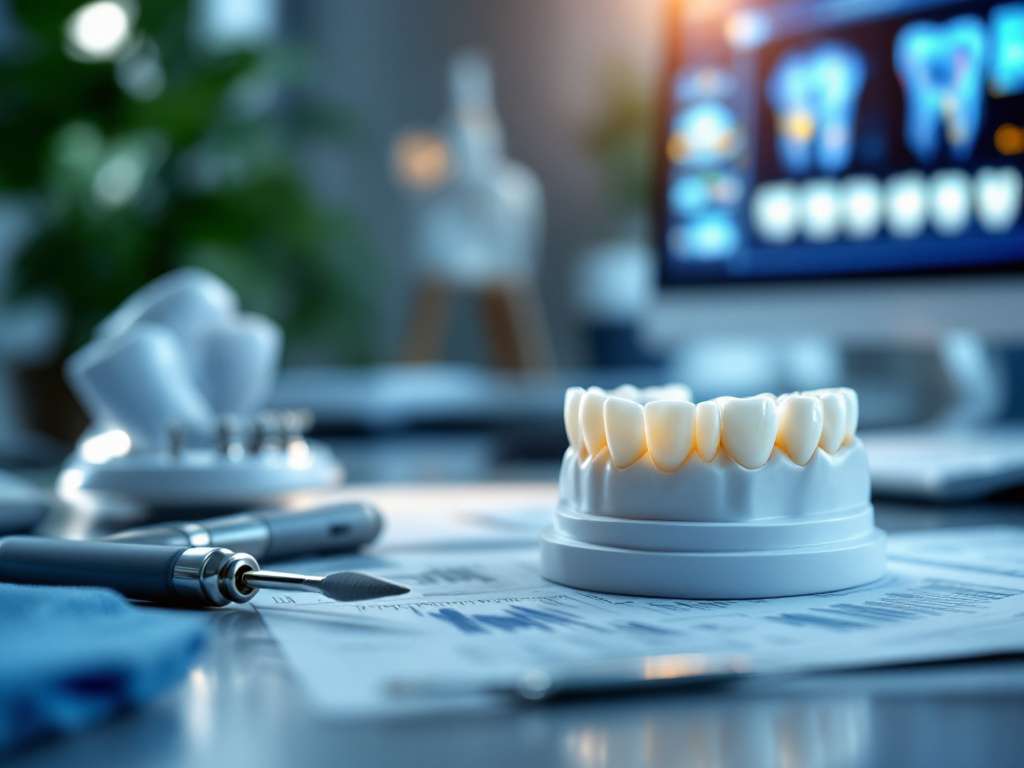
In restorative dentistry, a crown and bridge specialist helps you repair or replace damaged and missing teeth with precision and care. As a dental expert trained in fixed prosthodontics, your specialist guides you through options like crowns, bridges, implants and dentures to restore your smile and chewing function. By understanding their role, treatment options and care requirements, you can make confident decisions about your oral health.
Role of specialist
Understanding the role of a crown and bridge specialist is the first step in getting the right care for your damaged or missing teeth.
Definition of a specialist
A crown and bridge specialist, often called a prosthodontist, is a dentist who has completed additional training in restoration and replacement of teeth. They focus on fixed prosthodontics—creating crowns, bridges and implant-supported restorations—and on complex cases such as full mouth reconstruction and implant restorations dental.
Qualifications and training
To earn this title, your specialist must:
- Graduate from an accredited dental school with a DDS or DMD
- Complete a three-year prosthodontics residency program accredited by the Commission on Dental Accreditation (CODA), combining clinical practice, didactic courses and research [1]
- Stay current through continuing education in digital dentistry, implant prosthodontics and esthetic restorations
Explore crown and bridge treatments
Your specialist offers a range of treatments tailored to your needs, from single-tooth crowns to multi-unit bridges.
Dental crowns
A crown is a tooth-shaped cap that covers a weakened or decayed tooth. Crowns can also protect root canal-treated teeth and support dental implants.
Types of crowns
| Material | Advantages | Considerations |
|---|---|---|
| Metal | Highly durable, minimal enamel removal, ideal for molars | Metallic color may show in front teeth |
| Porcelain-fused-to-metal | Strong core with natural porcelain overlay, versatile for all areas | Porcelain layer can chip over time |
| Pressed ceramic | Hard inner core with layered porcelain, mimics enamel | Potential for chipping, especially under heavy bite forces |
| All-ceramic or porcelain | Best esthetics, gentle on opposing teeth, metal-allergy friendly | May require more enamel removal |
Crowns typically last 10–15 years or longer with proper care [2]. Your specialist helps you choose the right material based on function, appearance and budget.
Dental bridges
A bridge replaces one or more missing teeth by anchoring to adjacent natural teeth or implants.
Fixed vs. removable bridges
- Fixed bridges attach permanently to supporting teeth or implants
- Removable bridges can be taken out for cleaning, offering more flexibility but less stability
How bridges work
Your crown and bridge specialist prepares abutment teeth, takes precise impressions and fits a custom bridge that restores chewing function and prevents teeth shifting. Learn more about dental bridge replacement.
Combination treatments
Sometimes crowns or bridges are paired with other procedures such as root canal & crown combo or implant restorations dental for optimal outcomes.
Understand treatment process
Knowing each step of your treatment helps set expectations and reduces anxiety.
Initial consultation
During your first visit, the specialist will:
- Review your medical and dental history
- Perform a clinical exam and radiographs
- Discuss goals, options and costs
Preparation and impressions
- Teeth are shaped under local anesthesia
- Digital or physical impressions are taken
- A temporary restoration protects prepared teeth
Crown and bridge placement
At the next appointment, your specialist removes temporaries, tries in the custom restoration for fit and bite, then bonds it in place. For details, see our guide on dental crown placement.
Follow-up care
After placement, you’ll return for a follow-up to check comfort, function and make any necessary adjustments.
Assess material options
Choosing the right material for your crown or bridge impacts durability, esthetics and cost.
Advantages and disadvantages
- Metal crowns: longest-lasting, minimal tooth removal, visible metal color
- PFM crowns: balance strength and esthetics, slight risk of porcelain chipping
- Pressed ceramic: natural look, moderate durability, chipping risk
- All-ceramic: best appearance, biocompatible, may require more tooth reduction
Discuss your lifestyle, smile goals and any metal allergies with your specialist to make an informed choice.
Evaluate specialist credentials
Finding a qualified specialist ensures high-quality results and minimizes complications.
Education and certification
- Dental degree (DDS or DMD)
- Prosthodontics residency (3 years, CODA-accredited)
- Board certification or membership in professional societies
Experience and specialization
- Look for published case studies or before-and-after galleries
- Ask about experience with specific treatments like implant-supported bridges or porcelain crown restoration
- Read patient testimonials for insights on care and comfort
Maintain your restorations
Proper care helps extend the life of your crowns and bridges.
Daily care
- Brush twice daily with a soft-bristled brush
- Floss under and around bridges to remove plaque
- Use interdental brushes or water flossers for hard-to-reach areas
Professional check-ups
- Schedule regular cleanings and exams every six months
- Report any sensitivity, looseness or discomfort promptly
Signs of wear and repair
- Chips or cracks in porcelain
- Loosened or ill-fitting restorations
- Discoloration at the margin
Early detection allows for simple repairs or rebonding rather than full replacement. Explore repair broken tooth dentist if you notice damage.
Consider cost and coverage
Understanding costs and insurance can ease financial concerns.
Cost factors
- Material choice and complexity of the case
- Number of units (crowns or bridge pontics)
- Additional procedures (root canal therapy, porcelain crown restoration, implant placement)
Insurance coverage
Many dental plans cover a portion of fixed restorative procedures. Check if you have benefits for insurance covered crowns or bridges to minimize out-of-pocket expenses.
Compare replacement options
Your specialist will present the best solutions for missing teeth based on your oral health and budget.
Bridge and crown services
Fixed bridges and crowns remain a reliable choice for many patients. See our bridge and crown services for details.
Dental implants vs. bridges
- Implants replace roots and crowns, preserving bone
- Bridges span gaps but rely on adjacent teeth
Discuss dental implant consultation to determine if implants suit you.
Removable dentures
For multiple missing teeth, a custom denture service may be recommended. Dentures offer affordability but less stability.
Full mouth restoration
In complex cases with widespread damage, a combination of crowns, bridges, implants and dentures may form your full mouth restoration plan.
Know when to seek care
Prompt treatment prevents complications and preserves remaining teeth.
Emergency dental repair
If a crown or bridge dislodges or breaks, seek emergency dental repair to avoid tooth damage.
Cracked tooth repair
Deep cracks under a crown can threaten the tooth’s health. Learn about cracked tooth repair to protect your smile.
Root canal therapy
Pain or infection in a crowned tooth may require root canal therapy before restoring with a new crown.
Your crown and bridge specialist is your partner in restoring your smile, function and confidence with tailored solutions. By understanding their role, the materials and processes involved, and how to care for your restorations, you can enjoy durable and natural-looking results. Schedule a consultation today to discuss your restorative dental needs and explore the best path to a healthier, more beautiful smile.