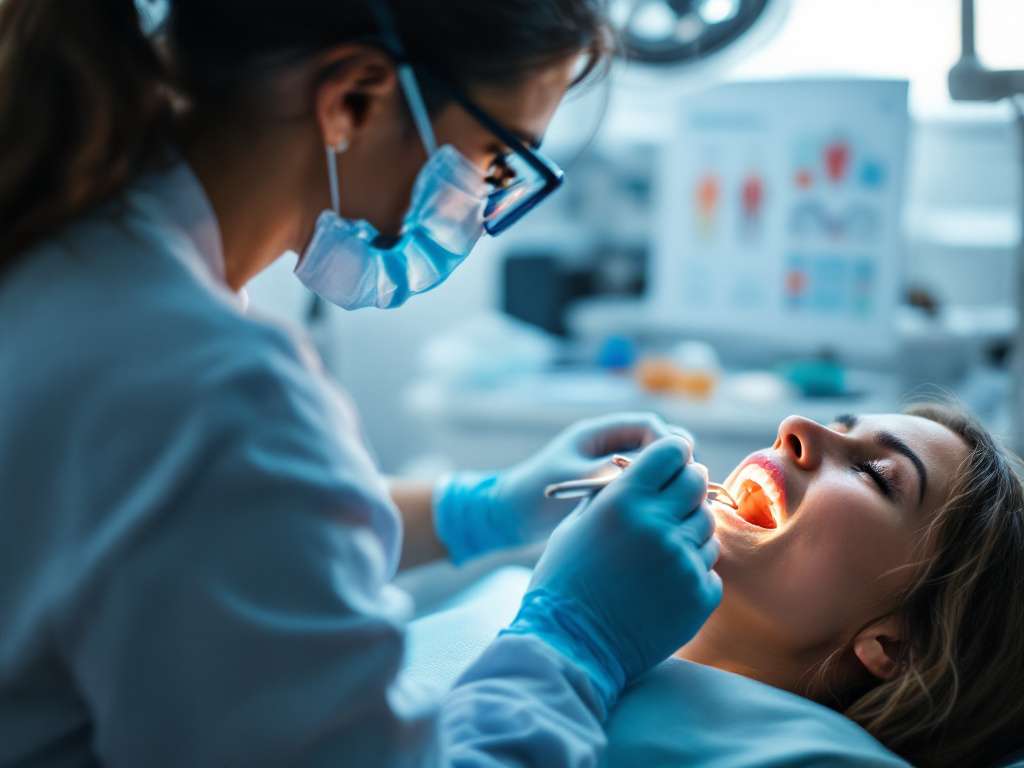
Oral cancer screening is a critical step in protecting your health by detecting early signs of mouth and throat cancers before they become life-threatening. During your routine dental checkup, a careful examination of the lining of your cheeks, gums, lips, tongue, floor and roof of your mouth can uncover suspicious patches or lesions that warrant further testing [1]. By combining this visual and tactile exam with advanced tools such as saliva-based biomarkers, bioimpedance measurement or even AI-driven analysis, you give yourself the best chance at early diagnosis. Early detection drives better outcomes—with three-year survival rates as high as 80 to 90 percent for some oropharyngeal cancers [2]. Incorporating an oral cancer screening into your comprehensive dental exam is a simple, painless way to take charge of your long-term oral health.
Importance of early detection
Detecting abnormal tissue growth at its earliest stage increases your chances of successful treatment and decreases the need for extensive procedures. When oral cancer is found before it spreads beyond its original site, the five-year survival rate can be as high as 63 percent, compared to just 40 percent when it has metastasized to distant organs [3].
Benefits of prompt treatment
- Less invasive therapies, such as localized surgery or targeted radiation
- Reduced risk of disfigurement or functional impairment
- Lower likelihood of extensive chemotherapy or reconstructive surgery
- Improved quality of life and faster return to normal activities
Understanding risk factors
Being aware of what increases your chances of developing oral cancer helps you and your dentist tailor a screening schedule that fits your needs.
Tobacco and alcohol use
Tobacco—whether smoked or smokeless—is the leading risk factor for cancers of the oral cavity. Heavy alcohol consumption further multiplies that risk, with combined use increasing susceptibility exponentially [2]. In fact, cigarette smokers face a relative risk for mouth cancer nearly 28 times greater than non-smokers [4].
Human papillomavirus infection
High-risk HPV strains, particularly HPV16, are strongly linked to oropharyngeal cancers in the tonsils and base of tongue. The incidence of HPV-related oral cancers has risen in recent years, though outcomes tend to be better than those for non-HPV-driven tumors [5]. Vaccination before the onset of sexual activity is a proven preventive measure.
Sun exposure and lip cancer
Ultraviolet radiation from unprotected sun exposure increases your risk of lip cancer. Regular use of broad-spectrum sunscreen, lip balm with SPF and protective clothing helps shield sensitive tissues.
Poor oral hygiene and diet
Chronic irritation from poor oral hygiene or ill-fitting dentures, along with diets low in fruits and vegetables, can raise cancer risk. Routine visits for dental hygiene services and professional teeth cleaning reduce these risk factors.
Other contributors
- Betel quid and gutka chewing in certain regions [5]
- Weakened immune system due to medical conditions or medications
- Excess body weight, especially around the waist [5]
Preparing for your screening
A little preparation ensures your oral cancer screening goes smoothly and covers all areas of concern.
Scheduling your exam
- If you’re a new patient, request a new patient dental exam or initial dental consultation.
- For existing patients, mention oral cancer screening when booking your routine dental checkup.
- Discuss any symptoms—persistent sores, patches or pain lasting more than two weeks—which warrant immediate attention [6].
What to bring
- List of current medications and supplements
- Record of tobacco or alcohol use patterns
- Questions about specific risk factors or family history
- Insurance information, especially if your plan is part of insurance accepted dentistry
Screening methods explained
Several tools and techniques enhance the accuracy of your screening beyond a basic oral exam.
Visual and tactile exam
Your dentist or hygienist inspects all oral surfaces, palpates lymph nodes in the neck and feels for irregularities. This cost-effective method remains the backbone of early detection.
Brush cytology
A gentle brush collects cells from suspicious areas. Laboratory analysis detects abnormal or precancerous cells.
Chemiluminescence and toluidine blue
Special light sources (chemiluminescence) or dyes highlight areas of abnormal tissue growth that may escape the naked eye.
Saliva-based biomarkers
Emerging research shows saliva tests can detect genetic and molecular markers of oral cancer with 91 percent sensitivity and specificity [7]. The noninvasive collection process makes it an appealing adjunct.
Bioimpedance and AI tools
Bioimpedance devices measure electrical properties of tissues, discriminating cancerous from healthy cells. AI models have demonstrated 84.5 percent sensitivity and 86.7 percent specificity in tongue screenings, often outperforming general practitioners [7].
Table 1. Comparison of screening methods
| Method | Sensitivity | Specificity | Notes |
|---|---|---|---|
| Visual and tactile exam | 50–70% | 75–90% | Widely available, no cost beyond exam |
| Brush cytology | 80% | 85% | Minimally invasive cell collection |
| Chemiluminescence / Toluidine | 74% | 90% | Highlights lesions otherwise hard to see |
| Saliva biomarkers | 91% | 91% | Simple, noninvasive |
| Bioimpedance | 82% | 88% | Low cost, rapid results |
| AI-driven imaging | 84.5% | 86.7% | High accuracy, emerging standard |
What to expect during screening
Knowing the steps helps ease any anxiety and ensures you don’t miss important details.
Oral cavity inspection
Your provider examines the mouth’s soft tissues under good lighting. They look for sores, white or red patches, lumps and irregularities.
Biopsy and lab testing
If suspicious tissue is found, a small sample may be removed and sent for laboratory analysis. A biopsy is the definitive way to diagnose cancer [1].
Advanced imaging
In some cases, your dentist may refer you for imaging studies—CT, MRI or PET scans—to determine whether abnormal areas extend beyond the oral cavity [8].
Interpreting screening results
Your provider will explain findings in plain language and guide you toward the next steps.
Positive findings
- Referral to an oral and maxillofacial surgeon or head and neck specialist
- Discussion of treatment options: surgery, radiation, chemotherapy or combined approaches [3]
Negative findings
- Reinforcement of good habits: quit tobacco, moderate alcohol, protect lips
- Schedule follow-up screening based on your risk profile
Follow-up steps
- Attend specialist appointments as recommended
- Enroll in a preventive oral care clinic program if you have higher risk factors
- Maintain regular screenings every 6–12 months for at least two years, when recurrences are most likely [9]
Taking preventive steps
Beyond screening, these measures help reduce your overall risk of developing oral cancers.
Lifestyle modifications
- Quit smoking and using smokeless tobacco
- Limit alcohol consumption to moderate levels
- Maintain a healthy weight through a balanced diet rich in vegetables and whole fruits [5]
HPV vaccination
If you’re under age 26 (or up to 45 after consulting with your provider), getting vaccinated against HPV can lower your risk of HPV-related oral cancers.
Oral hygiene practices
- Brush twice daily and floss once daily
- Visit for dental cleanings for adults every 3–6 months
- Consider adjunctive fluoride treatment to strengthen enamel
Protecting your lips
- Apply lip balm with SPF 30 or higher before going outdoors
- Wear wide-brimmed hats and UV-blocking sunglasses
Finding professional care
Choosing the right provider ensures your screening and follow-up care are thorough and personalized.
Choosing a dentistry practice
Look for a practice that offers comprehensive preventive services such as preventive dentistry services, gum disease evaluation and advanced screening options. A supportive environment where you can discuss concerns openly helps foster confidence in your care.
Cost and insurance
Most dental insurance plans cover annual oral cancer screenings as part of a dental exam & x-ray combo. If you’re uninsured, ask about sliding-scale fees or membership plans, and verify that the practice participates in insurance accepted dentistry.
Ongoing maintenance
Regular visits for periodontal maintenance and family dental care keep your mouth healthy and ensure future screenings are seamless. Building a preventive dental care plan with your provider reinforces early detection and sustained oral wellness.
Overall, incorporating an oral cancer screening into your regular dental visits empowers you to detect any abnormalities before they advance. By understanding risk factors, preparing for your exam and following preventive measures, you play an active role in safeguarding your health. Schedule your next routine dental checkup today and make early detection a priority for a lifetime of healthy smiles.